
Hair thinning is no longer viewed as an issue affecting only older adults. Dermatologists and hair restoration specialists across Maharashtra increasingly see younger individuals seeking treatment for early-stage hair loss, stress-related shedding, and reduced hair density.
One treatment gaining attention in recent years is PRP hair treatment.
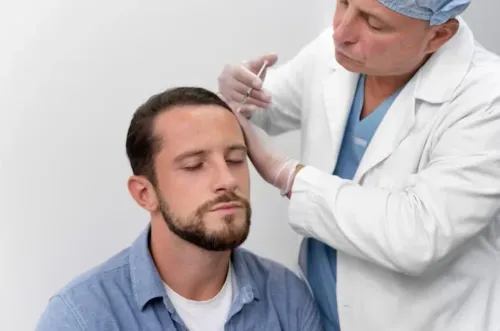
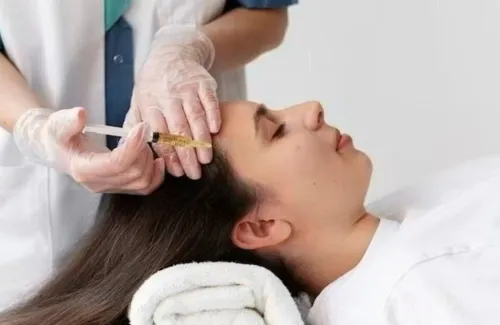
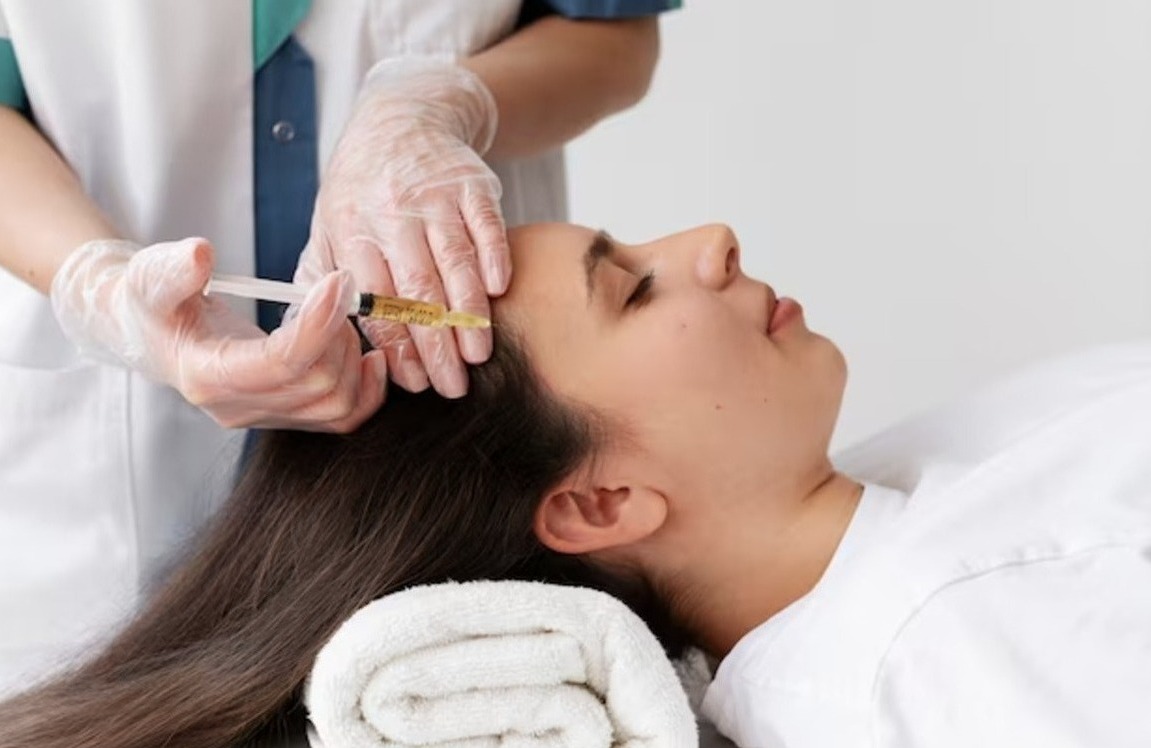
PRP stands for Platelet-Rich Plasma. The procedure involves drawing a small amount of the patient’s blood, processing it to separate platelet-rich plasma, and injecting it into targeted areas of the scalp.
The reason PRP has become popular among younger adults is partly because it is non-surgical. Many people in their twenties and thirties are not immediate candidates for hair transplantation but still want to slow visible thinning before it progresses.
PRP is often considered in cases such as:
- Early male pattern hair loss
- Stress-induced shedding
- Mild crown thinning
- Postpartum hair fall
- Hair weakening after illness
- Reduced hair density due to nutritional imbalance
The treatment is usually performed in sessions over several months. Since PRP uses components derived from the patient’s own blood, the approach appeals to people looking for minimally invasive treatment options.
However, PRP is not a miracle solution. Patients expecting instant regrowth within days often misunderstand how the process works. Hair growth cycles naturally take time, and outcomes depend on scalp health, genetics, lifestyle, and treatment consistency.
Another reason for PRP’s popularity is its use alongside FUE and FUT hair transplant procedures. Many clinics recommend PRP sessions after transplantation to support healing and strengthen existing hair.
In cities like Nashik, changing lifestyle patterns also play a role in rising hair concerns. Long work hours, inconsistent sleep, nutritional deficiencies, pollution exposure, and stress can collectively affect scalp health.
People searching online often compare PRP treatment with hair oils or over-the-counter products. The biggest difference is that PRP is medically supervised and targets scalp biology more directly rather than relying on cosmetic surface-level improvements.
Patients considering PRP should still ask practical questions before starting:
- How many sessions are recommended?
- Is the clinic using proper centrifuge protocols?
- Will PRP alone be enough?
- Are medications also required?
- How soon can visible changes appear?
Clinics that provide realistic timelines usually help patients maintain better expectations. Hair treatments often work gradually, not overnight.
Smart Look Clinic is one of the centres in Nashik that patients commonly explore while researching PRP hair treatment and non-surgical hair restoration approaches. Many individuals prefer understanding preventive options before considering transplant procedures later.
For younger adults dealing with early thinning, PRP may serve as part of a broader hair management strategy rather than a standalone cure. The key is early assessment and consistent medical guidance.