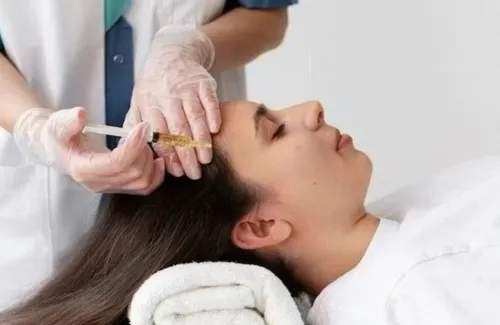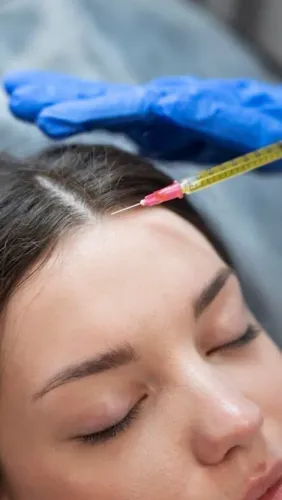

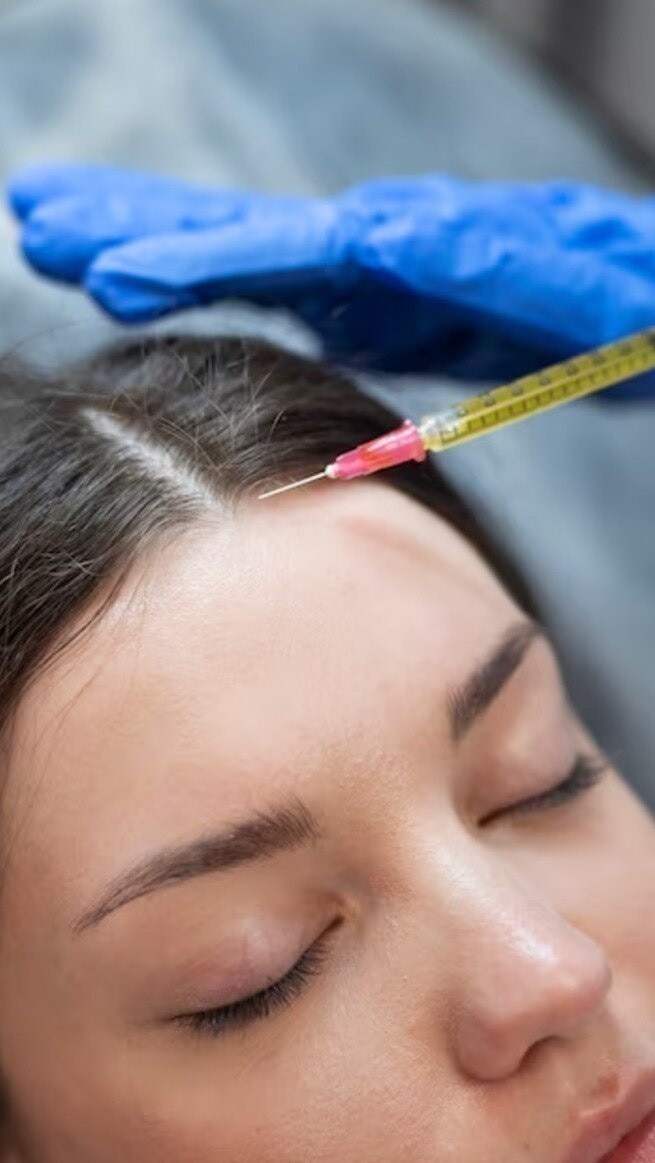
Sparse or thinning eyebrows can result from medical conditions, skin inflammation, repeated plucking or permanent follicle damage, so PRP is not the right first step for everyone. You will be able to identify the checks a Nashik clinic should complete, compare PRP with eyebrow transplantation and other options, and choose a provider using clear safety and credential criteria.
Key takeaways
- Get examined first for sudden, patchy, itchy, painful, or scaly eyebrow loss.
- Ask how PRP suitability, platelet preparation, injections, and follow-up will be assessed.
- Expect gradual improvement, not guaranteed full eyebrow regrowth, from PRP.
- Choose another treatment when scarring, infection, or a defined alopecia patch needs diagnosis.
What is causing your eyebrow thinning?
PRP is not a diagnosis. Before choosing eyebrow hair loss treatment in nashik, get examined if the loss is sudden, patchy, itchy, painful, scaly, or accompanied by redness, crusting, or skin colour changes. A smooth, sharply defined patch over one or both eyebrows can indicate alopecia areata rather than ordinary thinning.
Ask for a skin and hair examination before injections, especially when you notice:
- Receding frontal hairline, eyelash loss, facial papules, or pale, shiny skin
- Repeated plucking, rubbing, scratching, or a strong urge to pull hairs
- New medicines, fatigue, weight change, cold intolerance, or other thyroid-related symptoms
- Scaling or inflamed skin consistent with atopic dermatitis, seborrhoeic dermatitis, or psoriasis
| Pattern | What it can suggest | What to confirm first |
|---|---|---|
| Smooth, sharply bordered patch | Alopecia areata | Diagnosis and disease-specific treatment |
| Scale, redness, or itching | Dermatitis or psoriasis | Scalp and skin treatment |
| Shiny skin with hairline recession | Frontal fibrosing alopecia | Scarring status and urgent medical management |
| Broken hairs with uneven lengths | Pulling or cosmetic trauma | Whether the damaging habit has stopped |
Dermoscopy or trichoscopy can show follicular openings, hair-shaft changes, and signs of scarring. Blood tests should match your history and examination; a broad panel cannot diagnose scarring alopecia or compulsive pulling. PRP for thin eyebrows in Nashik is not automatically first-line when an active disease or mechanical cause is present.
What should happen during an eyebrow assessment?
A proper assessment confirms two things before injections: viable follicles remain, and the pattern has been linked to a likely cause. The clinician should inspect both eyebrows and surrounding skin, ask about plucking, pulling, illness, medicines and symptom timing, then document the baseline with consistent photographs.
1. Examine the brow with magnification or trichoscopy. The clinician should point out whether hairs are miniaturised but present, or whether smooth, shiny areas suggest permanent follicle destruction.
2. Check the loss pattern and skin. A sharply defined smooth patch can indicate alopecia areata; scaling or redness can suggest dermatitis or psoriasis. Recession of the frontal hairline, eyelash loss, facial papules or pale, shiny skin requires assessment for frontal fibrosing alopecia.
3. Review relevant symptoms before ordering tests. Thinning at the outer third is a clue that can accompany thyroid disease, but it does not prove the diagnosis. Thyroid testing should follow the examination and your symptoms, not a routine promise that every sparse brow is thyroid-related.
4. Ask what happens if scarring or active disease is suspected. The plan may shift to dermatological treatment, stopping mechanical trauma, observation, camouflage or transplantation rather than PRP.
5. Request a measurable outcome and review point. PRP can improve activity or hair calibre where follicles survive; it cannot recreate destroyed follicles or stop ongoing pulling. The clinician should explain how non-response or worsening loss will be managed and compare photographs taken in the same lighting, magnification and brow position.
A recommendation for sparse eyebrow treatment without this reasoning is incomplete. Ask which finding supports viable follicles, what diagnosis is being treated, and why PRP is preferable to the alternatives.
What can PRP realistically do for thin eyebrows?
PRP can realistically improve hair calibre or follicle activity only where viable follicles remain. It cannot replace follicles destroyed by scarring or stop ongoing plucking, pulling, dermatitis, or medication effects.
That makes diagnosis more important than the injection label: prp hair treatment for eyebrow thinning in nashik should follow examination of the skin and loss pattern.
Compare each plan on these points:
- Whether dermoscopy or trichoscopy shows follicular openings and viable shafts
- Whether the clinician has identified a non-scarring cause
- The proposed number and spacing of sessions
- The expected time before review and the plan if loss worsens or treatment fails
- Before-and-after photographs taken with matching lighting, magnification, eyebrow position, and time intervals
| Option | What it can realistically do | When it fits |
|---|---|---|
| PRP for thin eyebrows in Nashik | Support activity or calibre in surviving follicles | Non-scarring thinning after assessment |
| Disease-specific treatment | Address inflammation or autoimmune activity | Alopecia areata, dermatitis, thyroid-related loss, or suspected frontal fibrosing alopecia |
| Observation or camouflage | Avoid injections while monitoring or conceal sparsity | Recent cosmetic trauma, stable mild thinning, or uncertain diagnosis |
| Transplantation | Add follicles rather than revive destroyed ones | Selected stable loss after the cause and donor supply are assessed |
A smooth, sharply defined patch can indicate alopecia areata, where corticosteroid treatment or another medical option may come first. Receding frontal hairline, eyelash loss, facial papules, or pale shiny skin needs prompt assessment because scarring can permanently remove the follicles PRP depends on.
How do you compare Nashik clinics safely?
Book only after the clinic identifies the doctor who will assess and treat you, not just the brand name. Verify that doctor’s registration through India’s National Medical Commission or the applicable state medical council, and check specialty credentials relevant to dermatology or hair restoration.
SMART LOOK CLINIC should be assessed by the same questions you would ask any eyebrow restoration clinic in Nashik.
Ask for these details before paying:
- Your suspected diagnosis and whether the doctor examined the eyebrow skin and loss pattern.
- The PRP preparation system, platelet concentration, leukocyte and red-cell content, activation method, injection depth and planned session interval.
- Written consent covering the diagnosis, proposed preparation, expected course, pain, bruising, infection, alternatives and situations where PRP may not help.
- The follow-up schedule, review method, photographs and action plan if shedding, inflammation or no improvement occurs.
| Check | What to verify | Warning sign |
|---|---|---|
| Treating doctor | Registration, identity and who performs assessment and injections | Staff cannot name the treating doctor |
| PRP protocol | Blood volume, preparation system, activation and injection technique | “PRP” is offered without technical details |
| Outcome plan | Review date, standardised photographs and criteria for continuing or stopping | Guaranteed regrowth percentage or fixed result |
| Consent | Diagnosis, risks, alternatives and follow-up in writing | Consent appears only after payment or immediately before injection |
When should you choose another treatment instead of PRP?
Choose another treatment when active disease, reversible trauma, cosmetic preference or permanent follicle loss makes PRP a poor match for your goal.
| Option | When it applies | Expected result |
|---|---|---|
| Disease treatment | Smooth sharply defined patches suggest alopecia areata; scaling, redness or itch suggests dermatitis; recession, eyelash loss, facial papules or shiny pale skin raises concern for frontal fibrosing alopecia. Thyroid testing depends on examination and symptoms, including outer-third loss. | Treating the cause can stop progression and sometimes regrow hair. Scarring that has destroyed follicles cannot be reliably reversed by PRP. |
| Observation | You recently stopped plucking, waxing, threading or rubbing, and dermoscopy shows follicular openings without active disease. | Growth returns gradually if follicles recover. Reassess if loss continues, spreads or the skin changes. |
| Cosmetic camouflage | You need an immediate change, or the remaining hairs are unlikely to become dense enough through medical treatment. | Brow pencils, powders, gels and professional shaping create instant fullness but do not regrow hair. |
| Eyebrow transplantation | Follicles are permanently absent, the condition is stable, and a surgeon confirms suitable donor hair. | Transplanted hairs can create lasting shape and density, but they require trimming and may not match native eyebrow growth perfectly. |
A proper eyebrow hair loss treatment in Nashik should explain why one option fits your findings, what happens if loss worsens, and when review is needed. For a sparse eyebrow treatment, do not choose transplantation before active inflammation or alopecia areata is controlled.
Frequently asked questions
What can cause eyebrow thinning?
Causes include alopecia areata, skin inflammation, infection, scarring, hormonal or nutritional problems, repeated plucking, and ordinary age-related thinning. Sudden, patchy, itchy, painful, scaly, red, crusted, or colour-changing skin needs examination.
What should happen during an eyebrow assessment?
A clinician should review when the loss began, examine the eyebrow skin and follicles, check for scaling or scarring, ask about plucking and medical history, and decide whether testing or a dermatologist’s assessment is needed before PRP.
What can PRP realistically do for thin eyebrows?
PRP may support growth in suitable non-scarring thinning, but results are gradual and vary. It cannot reliably regrow follicles destroyed by scarring or treat an undiagnosed cause by itself.
How do you compare Nashik clinics for eyebrow PRP?
Check who performs the assessment and injections, ask about sterile preparation and aftercare, confirm how suitability is decided, and request a clear plan for sessions, review, risks, and alternatives.
When should you choose another treatment instead of PRP?
Choose another approach when examination identifies alopecia areata, infection, active skin disease, scarring, or a cause requiring medical treatment. Eyebrow restoration may suit stable follicle loss after diagnosis.