
Hair loss affects millions of men and women, and for many, a hair transplant offers a long-term solution to restore confidence and achieve a natural-looking hairline. One of the most common questions people ask before beginning treatment is whether they should choose Follicular Unit Extraction (FUE) or Follicular Unit Transplantation (FUT). Both techniques are widely used and can deliver excellent results when performed by an experienced FUE and FUT Hair Transplant Surgeon. Understanding the differences between these procedures can help you make an informed decision based on your hair loss pattern, lifestyle, and expectations.
Although both methods involve transplanting healthy hair follicles from the donor area to regions affected by hair loss, the way these follicles are harvested differs significantly. Neither procedure is universally better than the other. The ideal choice depends on several medical and cosmetic factors that should be evaluated during a professional consultation.
Understanding FUE Hair Transplant
FUE is a minimally invasive technique in which individual hair follicles are extracted directly from the donor area using specialized instruments. These follicles are then carefully implanted into thinning or bald areas.
Many patients prefer FUE because it does not require the removal of a strip of scalp. Instead, tiny extraction sites heal naturally over time.
Some benefits of FUE include:
- Minimal scarring
- Faster healing for many patients
- Less post-operative discomfort
- Suitable for shorter hairstyles
- Gradual and natural-looking results
FUE is commonly recommended for individuals with mild to moderate hair loss who have a healthy donor area and wish to avoid a linear scar.
Understanding FUT Hair Transplant
FUT, also known as the strip method, involves removing a narrow strip of scalp from the donor area. Hair follicles are then separated under magnification before being transplanted into the recipient area.
Although FUT has been used successfully for many years, it remains an effective option in selected cases.
Advantages of FUT may include:
- Ability to harvest a large number of grafts during one session
- Efficient option for advanced baldness
- Excellent graft quality
- Suitable for patients requiring higher follicle density
Since FUT leaves a fine linear scar, it is generally preferred by individuals who keep their hair slightly longer.
Factors That Help Determine the Right Procedure
Choosing between FUE and FUT depends on much more than personal preference. A qualified hair transplant surgeon evaluates several clinical factors before recommending a treatment plan.
These factors include:
- Extent of hair loss
- Donor hair density
- Hair texture and thickness
- Scalp flexibility
- Age
- Lifestyle
- Future pattern of hair loss
- Desired hairstyle
For example, someone with extensive baldness may benefit from FUT because it allows the harvesting of a larger number of grafts in one procedure. On the other hand, an individual with localized hair thinning who prefers short hairstyles may find FUE to be more suitable.
Recovery Differences
Recovery varies from person to person, but both procedures generally allow patients to return to daily activities within a reasonable period.
With FUE:
- Tiny extraction points heal within days.
- There is usually less visible scarring.
- Many patients experience minimal discomfort.
With FUT:
- The donor area requires stitches or staples.
- Recovery may take slightly longer.
- A linear scar remains hidden beneath surrounding hair.
Following your surgeon's post-operative instructions is essential regardless of the technique chosen.
Hair Growth Expectations
Many people expect immediate results after a transplant, but hair restoration is a gradual process.
In most cases:
- Transplanted hair sheds within the first few weeks.
- New hair growth typically begins after several months.
- Density gradually improves over time.
- Final results often become visible between 9 and 12 months, depending on individual healing and hair growth cycles.
Patience is an important part of the journey, as transplanted follicles require time to establish themselves in their new location.
The Importance of Surgeon Expertise
While patients often focus on choosing between FUE and FUT, the experience of the surgeon has an even greater influence on the final outcome.
A skilled surgeon carefully plans:
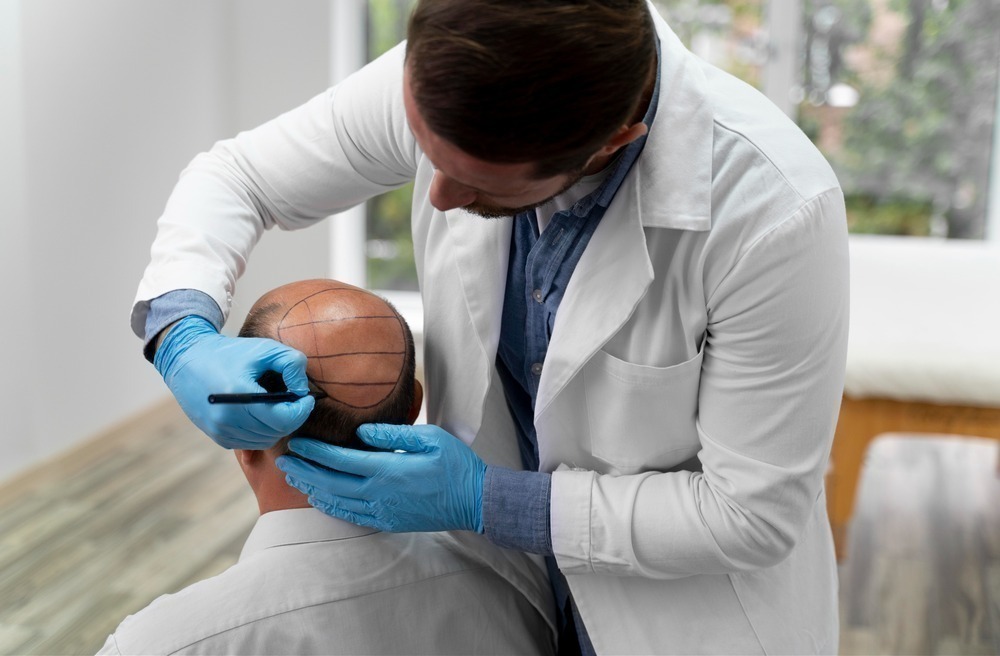
- Hairline design
- Graft placement
- Follicle angle
- Hair direction
- Density distribution
- Donor area preservation
These details help create a natural appearance that blends seamlessly with existing hair.
Choosing a Hair Transplant Surgeon in Nashik
People considering hair restoration in Nashik often benefit from consulting a clinic that offers both FUE and FUT techniques rather than recommending a single approach for every patient. This allows treatment recommendations to be based on clinical suitability instead of convenience.
SMART LOOK CLINIC provides comprehensive evaluations to determine which procedure aligns with each individual's hair loss pattern, donor availability, and long-term goals. By assessing every case individually, the provider helps patients understand the advantages and limitations of each option before proceeding with treatment.
Making an Informed Decision
There is no single answer to whether FUE or FUT is better. Both procedures have proven track records and can deliver natural, lasting results when performed correctly. The best approach depends on your specific condition, aesthetic goals, and medical assessment.
If you are exploring permanent hair restoration in Nashik, consulting an experienced FUE and FUT Hair Transplant Surgeon can help you understand your options and choose a treatment plan that supports both immediate improvements and long-term hair health.