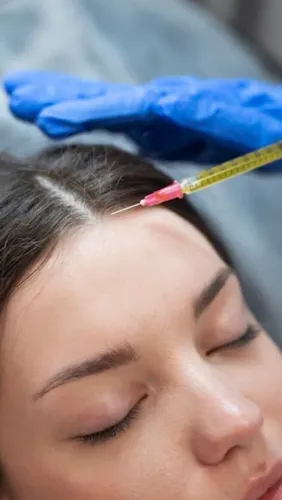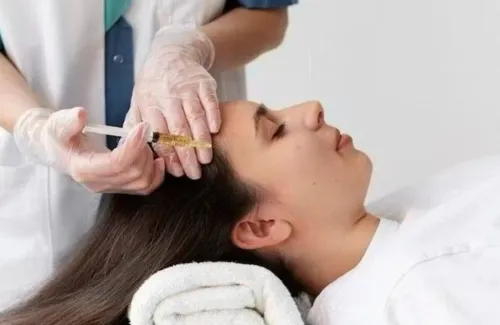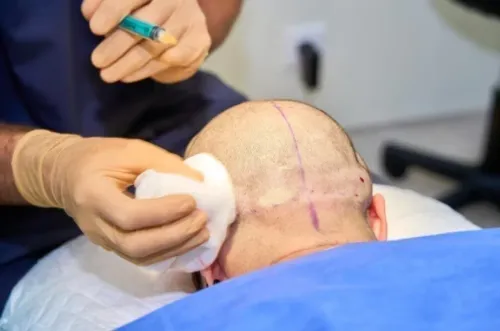
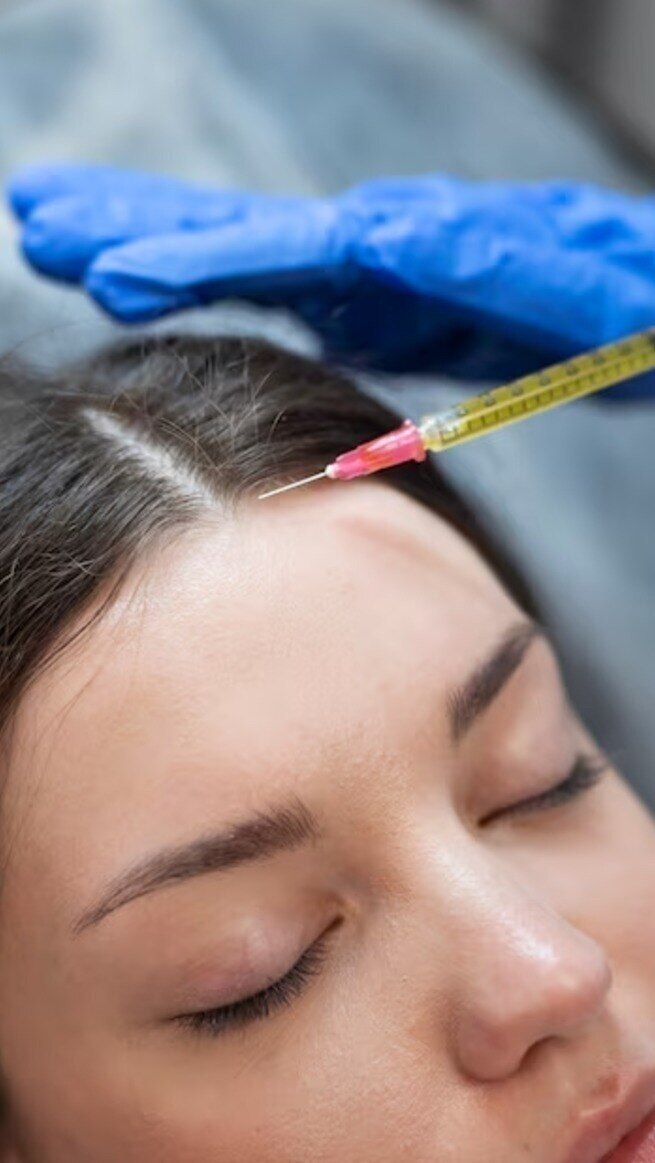
PRP injections can cause short-term tenderness, redness, swelling, crusting, or itch, but the evidence does not show that PRP routinely worsens chronic dandruff. You will learn how to tell normal injection-site irritation from a seborrheic dermatitis flare, when to postpone treatment, and which symptoms require medical review.
Key takeaways
- PRP does not treat dandruff or replace anti-yeast scalp care.
- Expect short-lived tenderness, redness, swelling, bruising, or itching after injections.
- Ask for a scalp assessment before PRP if dandruff is active or inflamed.
- Pause the next session for worsening rash, pus, severe pain, or persistent swelling.
What PRP can do to a scalp that already has dandruff
PRP does not directly worsen dandruff in the way an anti-yeast or inflammatory scalp disorder does. If you are asking, can prp hair treatment for worsen dandruff in navi mumbai, the evidence points more clearly to short-lived injection-site irritation—tenderness, redness, swelling, bruising, or itching—than to a chronic dandruff flare.
PRP delivers platelets and growth factors for hair loss; it does not treat dandruff or seborrheic dermatitis. Occasional flakes without redness, soreness, or broken skin do not automatically rule out injections, but an actively inflamed scalp needs assessment before an elective procedure.
1. Check for mild, occasional flaking without significant itch, redness, swelling, tenderness, or open skin. Ask the clinician to examine the scalp rather than assuming every flake is dandruff.
2. Postpone the decision if you have thick or greasy scale, marked redness, painful areas, crusting, pustules, or rapidly worsening irritation. Seborrheic dermatitis, eczema, psoriasis, folliculitis, contact dermatitis, and tinea capitis can look different and require different treatment.
3. Seek medical assessment before injecting any area with suspected infection, pus, spreading redness, warmth, fever, or substantial inflammation. A needle through infected or highly inflamed skin can increase discomfort and make later swelling or drainage harder to interpret.
A flare after PRP can be a relapse of seborrheic dermatitis or a response to procedure-related irritation, not proof that the platelet preparation caused dandruff. Treat the scalp condition separately.
How to identify the cause of itch after an injection
An itchy scalp after PRP does not automatically mean dandruff has worsened. Timing, appearance, and duration help separate a routine injection response from a scalp disorder.
| Cause | Timing and appearance | What it suggests |
|---|---|---|
| Needle trauma | Immediate tenderness, small red spots, mild swelling or bruising around injection sites | Short-lived mechanical irritation |
| Transient inflammation | Itch, redness, tenderness, or swelling during the first few days | Reported post-injection effect |
| Dried serum or blood | Tight, itchy residue on individual puncture sites | Surface material, not necessarily dandruff |
| Crusting | Small scabs where needles entered the scalp | Healing punctures; picking can prolong irritation |
| Antiseptic irritation | Burning or itching across wiped areas soon after treatment | Irritant reaction to chlorhexidine, alcohol, or another cleanser |
| Allergic reaction | Rapid, widespread itch, rash, hives, or marked swelling | Possible reaction to an antiseptic, topical product, or dressing |
| Seborrheic dermatitis | Persistent greasy yellow or white scale, recurring patches, and increasing redness | An underlying condition rather than routine PRP irritation |
Published PRP studies commonly report short-lived pain, tenderness, redness, swelling, bruising, and itching. These effects do not establish that PRP routinely causes chronic dandruff; temporary irritation is better documented than a direct flare.
Persistent inflammation, recurring scale, pustules, or itch beyond the expected short recovery period needs examination. Eczema, psoriasis, folliculitis, tinea capitis, and contact dermatitis can resemble dandruff but require different treatment. If you are researching prp hair treatment scalp irritation in navi mumbai, ask for a scalp diagnosis rather than assuming every flake is dandruff.
Why PRP does not replace dandruff treatment
PRP does not treat dandruff or seborrheic dermatitis. It delivers platelets and growth factors into the scalp; flakes and inflammation require separate management. Anyone considering prp with dandruff in navi mumbai should have the scalp examined before elective injections, especially during an active, red, painful, or heavily scaling flare.
1. Control the scalp condition using the recommended treatment. Options include ketoconazole, zinc pyrithione, selenium sulfide, or a prescribed corticosteroid scalp treatment. Do not substitute platelet injections for an anti-yeast or anti-inflammatory treatment.
2. Follow the clinician’s washing instructions before the procedure. After PRP, do not scratch, pick, or aggressively exfoliate flakes. These actions can create small skin breaks, increase irritation, and make dandruff harder to distinguish from injection-site crusting.
3. Restart medicated shampoo and normal washing only when the treating clinician says it is safe. The timing depends on the injection method, scalp condition, and aftercare instructions; rubbing too soon can aggravate tender puncture sites.
4. Report a persistent or worsening flare instead of assuming the platelet preparation caused it. Seborrheic dermatitis relapses, so scaling after PRP can be a coincidental recurrence or a response to procedure-related irritation.
Short-lived tenderness, redness, swelling, bruising, or itch after injections is better documented than chronic worsening of dandruff. If greasy scale and recurring inflamed patches continue, seek a diagnosis rather than repeating PRP as a scalp treatment.
Which symptoms mean you should pause the next session
Post-PRP irritation is no longer routine when it spreads, intensifies, produces drainage, or fails to settle during the short expected recovery period. Mild tenderness, redness, swelling, bruising, and itch can follow injections; worsening findings need assessment.
| Finding | More consistent with routine recovery | Reason to pause and seek review |
|---|---|---|
| Redness or swelling | Localised and gradually easing | Spreading redness, increasing warmth, or marked swelling |
| Pain or drainage | Mild tenderness without discharge | Severe pain, pus, or rapidly worsening symptoms |
| Scalp surface | Brief itch or light crusting | Pustules, hair breakage, or worsening inflammation |
| Dandruff-like symptoms | Scale settling as the scalp recovers | Itch and scale persisting beyond the expected short recovery period |
Arrange prompt medical review if you notice any of these signs:
- Spreading redness, increasing warmth, marked swelling, pus, pustules, severe pain, or rapidly worsening symptoms
- Fever alongside scalp redness, swelling, pain, or drainage
- New hair breakage, or itch and scale that continue after the short recovery period
These findings need evaluation to exclude an infection or a significant inflammatory reaction. Do not accept progressive symptoms as normal PRP irritation.
Pause further injections if the same reaction returns after every session, or if symptoms continue to worsen instead of improving. A clinician can examine the scalp, review the injection and aftercare details, and decide whether another scalp disorder needs treatment before PRP continues.
How to make a safer PRP decision in Navi Mumbai
A safer decision starts with a scalp examination and a clear diagnosis, not a promise that one PRP method treats both hair loss and dandruff. There is no established Navi Mumbai-specific evidence that PRP itself worsens dandruff; a search for “prp hair treatment itchy scalp in navi mumbai” does not replace an examination.
Ask the hair-restoration surgeon:
1. Is this simple dandruff, seborrheic dermatitis, eczema, psoriasis, folliculitis, tinea capitis, or contact dermatitis? Active infection or substantial inflammation should be assessed and treated before elective injections.
2. How will you prepare the PRP? Ask about the collection and processing method, platelet concentration, whether activation is used, and the injection depth. Published protocols differ on each point, so “PRP” does not describe one standard treatment.
3. How far apart will sessions be, and what aftercare applies? Get written instructions for washing, medicated shampoo, scratching, products, and the expected recovery period.
4. What would make you postpone treatment? Agree to delay injections for spreading redness, warmth, pus, marked swelling, fever, severe pain, pustules, or rapidly worsening itch and scale.
A consultation with a surgeon-led service such as SMART LOOK CLINIC can help when your scalp condition needs separate assessment from your hair-loss plan. Base the decision on the examination and diagnosis, not the clinic’s location or a claim that one protocol will solve both problems.
Frequently asked questions
Can PRP hair treatment worsen dandruff?
PRP does not directly cause chronic dandruff, but injections can produce temporary itching, redness, tenderness, swelling, or bruising that feels like a flare.
How can you identify the cause of an itchy scalp after PRP?
Injection-site itching with tenderness or redness points toward treatment irritation. Widespread flakes, greasy scale, persistent inflammation, pus, or symptoms beyond the injection sites need a scalp assessment.
Can you have PRP with dandruff?
Do not use PRP as a dandruff treatment. Ask a clinician to assess active flakes, redness, and inflammation first, then control the scalp condition before proceeding.
When should you pause the next PRP session?
Delay the next session if irritation is worsening or persistent, or if you develop severe pain, spreading redness, pus, marked swelling, or a worsening rash.