People considering PRP often want to know whether they are suitable candidates, what happens during each visit, and when any change in shedding or density could appear. By the end, you will know how to evaluate the diagnosis, understand each treatment step, prepare safely, and judge a clinic’s protocol and follow-up plan.
Key takeaways
- Get a scalp diagnosis before choosing PRP sessions.
- Ask how blood collection, centrifugation, and scalp injections are performed.
- Discuss medicines, scalp conditions, pain, swelling, and infection risks beforehand.
- Judge results only after completing the planned follow-up period.
Before PRP: Is the Treatment Suitable for Your Hair Loss?
A recommendation should follow a diagnosis, not a package price or promised number of sessions. The clinician should examine your scalp, assess density and miniaturisation, map the donor area when relevant, and identify the cause of shedding before explaining the PRP treatment process.
1. Confirm whether the pattern fits androgenetic alopecia, which may respond to PRP, or another condition requiring different treatment. Scarring alopecia, active scalp infection, untreated inflammatory disease, alopecia areata, thyroid disease, iron deficiency, and medication-related shedding need targeted management before PRP.
2. Review platelet disorders, significant anaemia, active infections, bleeding problems, anticoagulants, antiplatelet medicines, allergies to local anaesthetics, and other relevant illnesses. Never stop prescribed aspirin, anticoagulants, or another medicine without advice from the prescribing clinician.
3. Explain that PRP does not remove the follicle-miniaturising tendency in androgenetic alopecia. Ask whether minoxidil, finasteride when medically appropriate, or another evidence-based treatment should continue or be added.
4. Request the proposed protocol in writing: blood volume, single- or double-spin centrifugation, platelet concentration, retained red cells or leukocytes, activator use, injection depth, injected volume, and treatment interval. There is no single internationally standardised recipe, so session count alone cannot prove quality.
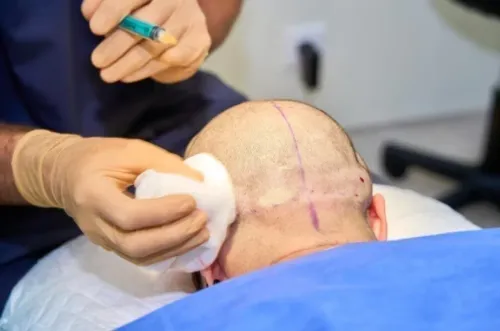
If transplantation is discussed, confirm whether PRP is being offered alone or as an adjunct before or after surgery. It cannot replace donor-area assessment, follicular-unit planning, or the transplant itself. Check the treating doctor’s recognised medical registration, hair-loss experience, sterile single-use supplies, alternatives, and written follow-up plan.
What Happens During a PRP Session?
A PRP appointment starts with a brief review of your medical history and current scalp findings. The clinician confirms the diagnosis, checks the thinning pattern, and records baseline photographs or trichoscopy images so later changes can be compared. This consultation stage should happen before blood is drawn.
- The clinician marks the areas to treat and explains the injection plan, including the blood volume and preparation method.
- A small sample of your blood is collected, usually from an arm vein, using a sterile, single-use collection tube.
- The tube goes into a centrifuge, which separates blood components by density.
- The clinic removes the intended plasma fraction and concentrates the platelets. Ask whether the preparation retains red cells or white cells, and whether it uses a single-spin or double-spin method.
- The scalp is cleansed with an antiseptic. The clinician may apply topical anaesthetic or inject local anaesthetic before treatment.
- The prepared PRP is loaded into a sterile syringe.
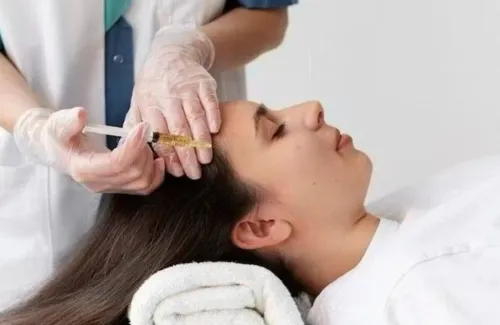
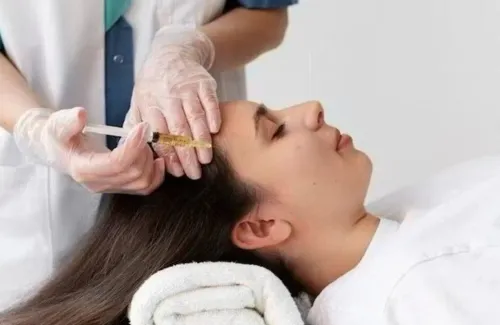
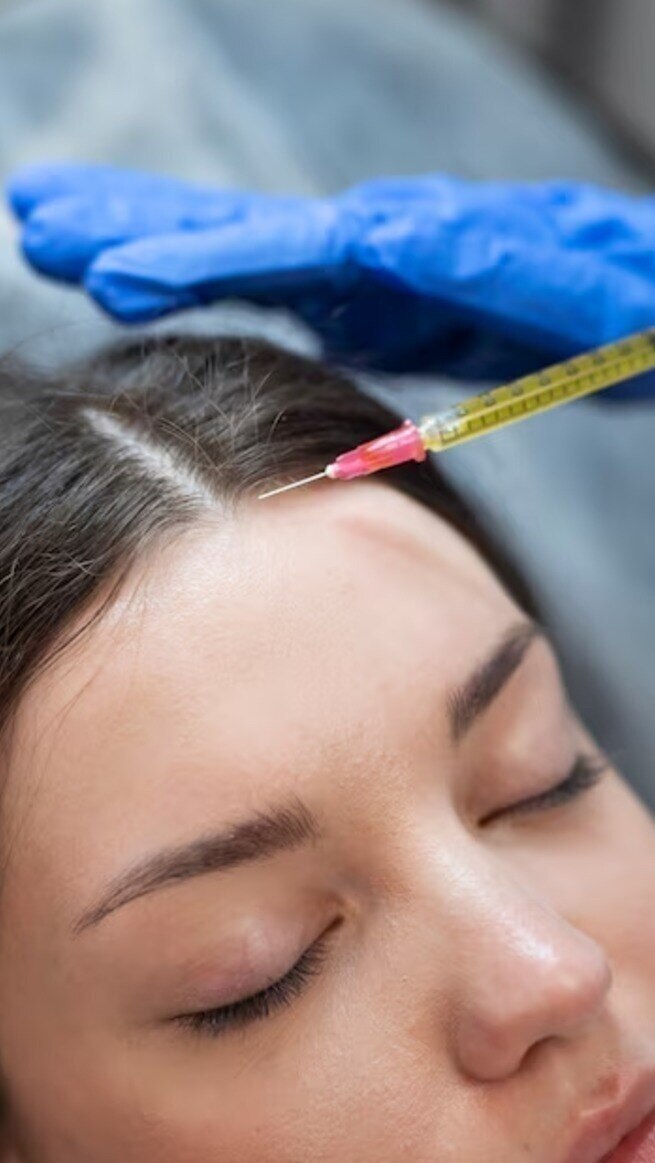
- The clinician makes multiple small injections across the thinning areas, using the planned injection depth and spacing.
These are the core PRP session steps, but there is no single worldwide recipe. A clinic should identify the exact blood fraction injected, injected volume, centrifugation method, and any activator used. PRP uses your own blood; it does not add donor follicles or increase the scalp’s follicle count.
How Should You Prepare, and What Are the Risks?
Disclose every condition and medicine before the appointment, including platelet disorders, significant anaemia, bleeding problems, autoimmune disease, active scalp infection, and allergies to local anaesthetics. A concealed bleeding risk can turn routine injection sites into persistent bruises or bleeding.
1. Give the clinician a complete list of prescribed medicines, over-the-counter drugs, and supplements, especially aspirin, warfarin, apixaban, clopidogrel, and fish-oil products.
2. Do not stop aspirin, anticoagulants, or other medically necessary medicines without instructions from the prescribing clinician. Ask whether your treatment plan requires changes.
3. Ask specifically about ibuprofen, naproxen, and other non-steroidal anti-inflammatory drugs. Some protocols avoid them before or after PRP because platelet activity is part of the proposed mechanism; others individualize the advice.
4. Postpone treatment if you have an active scalp infection or unexplained bleeding, and report recent illness or a procedure that changed your blood counts.
Expect brief stinging from injections, scalp tenderness, mild swelling, pinpoint bleeding, bruising, or a headache for a short period. Light-headedness can occur during blood collection or injections. Rare complications include infection, prolonged bleeding, significant inflammation, skin injury, or an allergic reaction to the local anaesthetic.
Contact the clinic urgently for spreading redness, increasing warmth, pus, fever, severe pain, or bleeding that does not stop with firm pressure.
How Many Sessions Do You Need, and When Can You Judge Results?
Three sessions spaced about four weeks apart are a common starting course. This is a commonly used regimen, not a universal standard: protocols differ in blood volume, centrifugation, platelet concentration, injection depth, and treatment interval.
Do not judge the result after one session. Hair growth is slow, so assess change no earlier than three months after the initial course; six months gives a more reliable view of density, shedding, and miniaturisation.
Ask for a written PRP hair treatment follow up plan that states when reviews occur, what will be measured, and when maintenance is considered. Maintenance every three to six months is used for people who respond, rather than automatically scheduling lifelong sessions for everyone.
At each review, record the same measures:
- Standardised photographs of the front, temples, crown, and part line, using the same lighting, distance, hairstyle, and camera angle.
- Trichoscopy findings, including follicle density, hair-shaft diameter, and the proportion of thin miniaturised hairs.
- Your shedding pattern, scalp symptoms, and any treatment side effects.
- Changes in minoxidil, finasteride, or other hair-loss treatment, since altering several treatments at once makes PRP harder to judge.
If density and shedding do not improve after the planned course, reassess the diagnosis, preparation protocol, and alternatives instead of adding sessions indefinitely. PRP does not remove the underlying tendency to miniaturise follicles, so a clinician may recommend it alongside—not instead of—evidence-based treatment.
How to Choose a PRP Clinic in Navi Mumbai
Verify the treating doctor before comparing packages: check recognized medical registration, hair-loss experience, a documented diagnosis, and a written follow-up plan. A Navi Mumbai location or “best results” claim does not prove clinical quality.
| Treatment route | What you should verify | What it can and cannot do |
|---|---|---|
| PRP only | The diagnosis, injection areas, protocol, and maintenance schedule | May support density in suitable thinning; does not reverse follicle miniaturisation |
| PRP alongside transplant | Which sessions occur before or after surgery, and whether pricing is separate | Can be an adjunct; cannot replace donor-area assessment, follicular-unit planning, or transplantation |
| Transplant assessment | Donor supply, hairline design, graft estimate, and alternatives | Addresses areas needing implanted follicles, not just scalp stimulation |
If you are comparing providers for prp hair treatment for sessions in navi mumbai or searching for a prp treatment clinic in navi mumbai, ask these questions before paying:
- Which blood fraction is injected, and does preparation use single-spin or double-spin centrifugation?
- What blood volume, platelet concentration, injection depth, injected volume, and interval does the protocol use?
- Are the collection tube, needle, syringe, and other blood-contacting items sterile and single-use?
- Will you receive baseline photographs or trichoscopy and written review dates?
- Which alternatives will you discuss, including minoxidil and medically appropriate finasteride?
There is no single standard PRP recipe, so a session count alone says little. Whether you visit SMART LOOK CLINIC or another provider, require the protocol and expected outcome in writing rather than accepting a guaranteed permanent cure.
Frequently asked questions
How do you know whether PRP is suitable for your hair loss?
A clinician should examine scalp density and miniaturisation, identify the cause of shedding, and assess whether PRP fits your diagnosis before recommending sessions.
What are the main PRP session steps?
The PRP treatment process usually involves preparing the scalp, drawing blood, separating platelet-rich plasma, and injecting the prepared plasma into selected scalp areas.
How should you prepare for a PRP hair treatment session?
Discuss medicines and medical conditions with the clinician, follow the clinic’s washing and medication instructions, and report scalp infection, inflammation, or unusual bleeding.
When can you judge PRP hair treatment results?
Use the planned follow-up schedule and compare standardised photographs and density assessments; do not judge the outcome immediately after one session.
How can you choose a PRP treatment clinic in Navi Mumbai?
Choose a clinic that provides a diagnosis, explains the full PRP session steps, discusses risks and follow-up, and gives a treatment plan rather than only a package price.