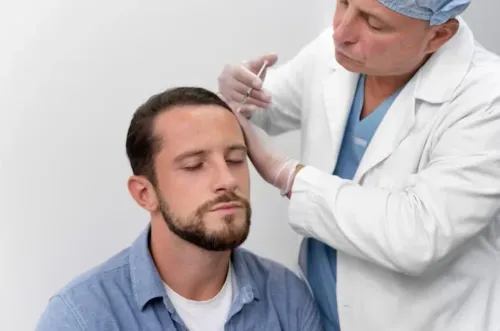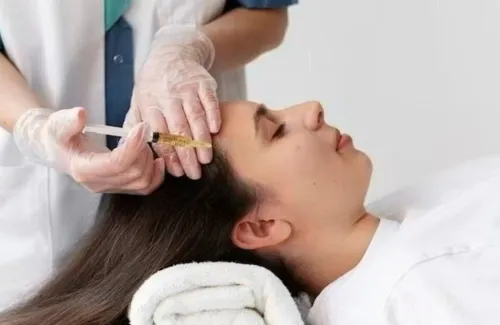


When people begin researching hair restoration, they often focus on the procedure itself rather than the planning behind it. While advanced techniques such as FUE and FUT have transformed modern hair transplantation, the quality of the final result depends just as much on the treatment plan as the surgery. Every individual has a unique hair loss pattern, scalp condition, donor area, and aesthetic goal. For this reason, an experienced FUE and FUT Hair Transplant Surgeon develops a personalized strategy instead of following a standard formula.
If you are considering a hair transplant in Nashik, understanding why customized treatment planning matters can help you achieve natural-looking and long-lasting results.
Hair Loss Patterns Differ from Person to Person
Hair loss is influenced by several factors, including genetics, age, hormonal changes, medical conditions, and lifestyle. Two people with similar bald patches may still require entirely different treatment plans because their donor hair, scalp characteristics, and future hair loss progression are different.
Some common patterns include:
- Receding hairline
- Crown thinning
- Diffuse hair loss
- Patchy baldness
- Combined frontal and crown hair loss
A detailed assessment helps identify the pattern before recommending the most appropriate solution.
The Importance of Donor Area Evaluation
The donor area, usually located at the back and sides of the scalp, provides the healthy follicles used during transplantation.
A surgeon carefully evaluates:
- Hair density
- Hair thickness
- Follicle quality
- Scalp flexibility
- Available graft numbers
Proper donor management is essential because these follicles are a limited resource. Overharvesting can reduce overall scalp appearance and limit future treatment options.
Hairline Design Is Never Universal
One of the most noticeable aspects of a successful hair transplant is the hairline. A natural hairline should complement the patient's facial structure rather than follow a standard template.
Factors considered include:
- Facial proportions
- Age
- Gender
- Existing hair density
- Future hair loss
- Ethnic hair characteristics
A conservative and well-planned hairline often continues to look natural even as the individual ages.
Choosing Between FUE and FUT
Personalized planning also helps determine whether FUE or FUT is the better choice.
FUE may be preferred when:
- Hair loss is limited
- Patients wear short hairstyles
- Minimal visible scarring is important
FUT may be recommended when:
- Larger graft numbers are required
- Hair loss is more advanced
- Donor harvesting efficiency is a priority
Rather than recommending one technique for every patient, experienced surgeons select the option that best supports long-term results.
Planning for Future Hair Loss
Hair transplantation addresses current hair loss, but it should also account for future changes.
A long-term treatment strategy may include:
- Preserving donor hair
- Maintaining a natural appearance as hair loss progresses
- Combining surgery with PRP Hair Treatment
- Monitoring existing hair over time
- Planning additional sessions only if needed
This approach helps avoid unnatural-looking results in the future.
Setting Realistic Expectations
A personalized consultation also provides an opportunity to discuss achievable outcomes.
Topics often include:
- Expected graft numbers
- Timeline for hair growth
- Recovery process
- Hair density expectations
- Long-term maintenance
Clear communication helps patients understand what can realistically be achieved instead of relying on unrealistic promises.
Why Medical History Matters
Hair restoration planning extends beyond the scalp.
A surgeon may review:
- Current medications
- Existing medical conditions
- Previous scalp surgeries
- Family history of baldness
- Lifestyle habits
- Smoking status
These factors can influence healing, graft survival, and treatment recommendations.
The Value of Follow-Up Care
A personalized approach continues after surgery.
Regular follow-up appointments allow the surgeon to:
- Monitor healing
- Evaluate graft growth
- Address concerns promptly
- Recommend supportive treatments
- Track long-term progress
Ongoing care contributes to healthier recovery and improved patient satisfaction.
Personalized Hair Restoration in Nashik
Patients seeking hair restoration in Nashik often benefit from clinics that prioritize comprehensive evaluations before recommending treatment. SMART LOOK CLINIC develops individualized treatment plans based on detailed scalp assessments, donor analysis, and future hair loss predictions. Rather than offering identical solutions to every patient, the clinic considers each individual's unique condition to recommend the most appropriate combination of FUE, FUT, PRP, or other supportive therapies.
Final Thoughts
A successful hair transplant is built on careful planning, not just surgical technique. Personalized treatment allows the surgeon to design a natural hairline, preserve donor hair, select the most suitable procedure, and prepare for future hair loss.
If you are considering treatment in Nashik, choosing an experienced FUE and FUT Hair Transplant Surgeon who emphasizes individualized care can help ensure that your hair restoration journey delivers results that look natural today and continue to do so for years to come.