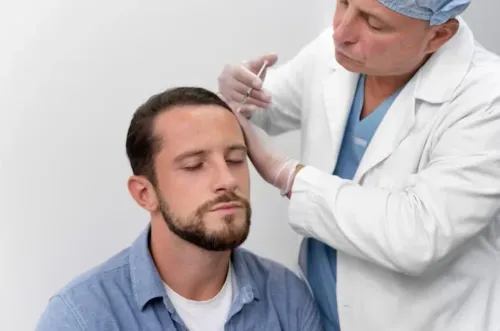


Hair loss often develops gradually, making it easy to dismiss the early signs. A few extra strands on your pillow or in the shower may not seem concerning at first. Over time, however, a receding hairline, widening part, or thinning crown can become more noticeable. One of the most common questions people ask is whether they should wait until hair loss becomes severe or seek treatment earlier. The answer depends on the cause of hair loss, its progression, and your long-term goals.
If you are considering a Best Hair Transplant Clinic in Nashik, understanding the right time to explore treatment options can help you preserve more of your natural hair and achieve better long-term results.
Hair Loss Is Not Always the Same
Not every person loses hair in the same way. Some experience gradual thinning over many years, while others notice rapid changes within a few months. Hair loss may be caused by:
- Hereditary pattern baldness
- Hormonal changes
- Medical conditions
- Nutritional deficiencies
- Autoimmune disorders
- Stress-related hair shedding
- Certain medications
Identifying the underlying cause is the first step before considering any permanent treatment.
Early Warning Signs to Watch For
Hair transplantation is not always the first solution, but recognizing early symptoms allows for timely evaluation and treatment.
Some common signs include:
- A receding hairline that becomes more noticeable over time
- Thinning at the crown or vertex
- A widening hair partition
- Increased visibility of the scalp
- Reduced hair volume while styling
- Excessive hair shedding during washing or combing
- Hair that appears finer than before
Early assessment may help preserve existing hair through medical treatments before surgical intervention becomes necessary.
Does Age Matter?
Many people believe hair transplantation should only be considered after a certain age. In reality, age alone does not determine eligibility.
Instead, specialists evaluate:
- Stability of hair loss
- Donor hair availability
- Overall health
- Family history
- Pattern of future hair loss
- Individual expectations
A younger patient with rapidly progressing hair loss may require a different treatment strategy than someone with stable thinning in their forties.
Why Waiting Too Long Can Be Challenging
Some individuals postpone treatment until hair loss becomes extensive. Although advanced procedures can restore hair in many cases, severe baldness may reduce the available donor hair needed for optimal coverage.
Seeking professional advice earlier offers several advantages:
- More treatment options
- Better preservation of existing hair
- Improved planning for future hair loss
- More balanced distribution of donor grafts
- Opportunity to combine medical and surgical treatments
An early consultation does not necessarily mean surgery is required immediately.
Not Everyone Needs a Hair Transplant Right Away
One of the biggest misconceptions is that every person experiencing hair fall should undergo transplantation.
Depending on the diagnosis, specialists may initially recommend:
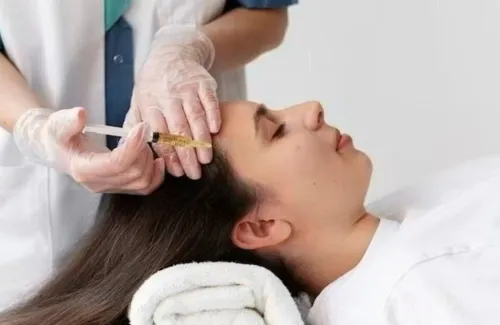
- PRP Hair Treatment
- Prescription medications
- Nutritional improvements
- Lifestyle modifications
- Scalp care programs
These approaches may help slow hair loss and improve hair quality in suitable candidates.
When Hair Transplant Becomes a Suitable Option
Hair transplantation is generally considered when hair follicles in affected areas no longer produce healthy hair and non-surgical treatments are unlikely to restore growth.
You may be a suitable candidate if:
- Hair loss has become stable
- Bald areas continue to increase despite treatment
- The donor area has healthy follicular density
- You have realistic expectations
- Your overall health supports minor surgical procedures
A detailed scalp examination helps determine whether transplantation is appropriate.
Why Personalized Planning Is Important
Every hair transplant should be customized rather than performed using a standard template.
Important planning factors include:
- Hairline design
- Hair density goals
- Donor area preservation
- Future hair loss prediction
- Facial symmetry
- Natural hair direction
Proper planning helps ensure that the results continue to look natural even if hair loss progresses in the future.
Choosing the Right Clinic in Nashik
Residents of Nashik often prefer clinics that provide comprehensive hair loss assessments instead of immediately recommending surgery. An experienced provider evaluates the pattern of hair loss, scalp condition, medical history, and future expectations before suggesting the most appropriate treatment plan.
SMART LOOK CLINIC follows an individualized approach by offering detailed consultations that help patients understand whether they would benefit from medical management, PRP therapy, FUE, FUT, or a combination of treatments. This patient-focused evaluation supports informed decision-making rather than one-size-fits-all recommendations.
Final Thoughts
Recognizing the early signs of hair loss and seeking professional advice at the right time can make a significant difference in long-term hair restoration outcomes. Waiting until baldness becomes extensive is not always the most effective strategy, especially when early intervention may help preserve existing hair.
If you are noticing persistent hair thinning, a receding hairline, or increasing scalp visibility in Nashik, consulting an experienced specialist can help you understand the cause of your hair loss and determine whether a hair transplant or another treatment option is the most suitable path forward.