
Hair thinning is a common concern among both men and women. While some people notice gradual hair fall over several years, others experience sudden shedding due to stress, hormonal changes, nutritional deficiencies, or medical conditions. In many cases, early intervention can help preserve existing hair and improve scalp health. One of the most widely discussed non-surgical options today is PRP Hair Treatment, a procedure that uses the body's own healing components to support natural hair growth.
If you are considering PRP Hair Treatment in Nashik, understanding how the procedure works, who it is suitable for, and what results you can realistically expect can help you make an informed decision.
What Is PRP Hair Treatment?
PRP stands for Platelet-Rich Plasma. It is a treatment that involves drawing a small amount of the patient's blood, processing it to separate the platelet-rich plasma, and injecting this concentrated solution into targeted areas of the scalp.
Platelets contain natural growth factors that may help improve blood circulation around hair follicles and encourage healthier follicle activity. Since the treatment uses the patient's own blood, the risk of allergic reactions is generally very low.
PRP is considered a minimally invasive procedure and is commonly used alongside other hair restoration treatments.
How Does the Procedure Work?
The treatment usually follows a structured process:
- A small blood sample is collected.
- The blood is placed in a centrifuge to separate platelet-rich plasma.
- The scalp is examined and prepared for treatment.
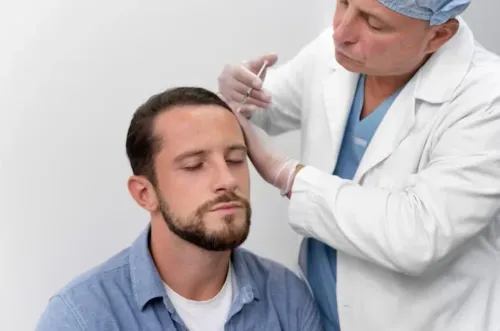
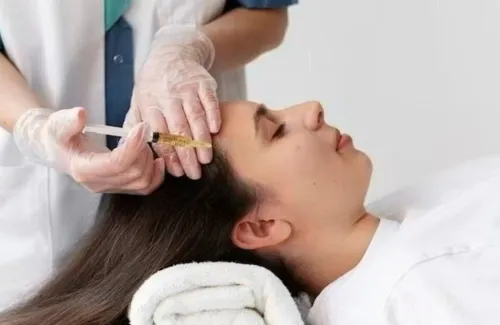
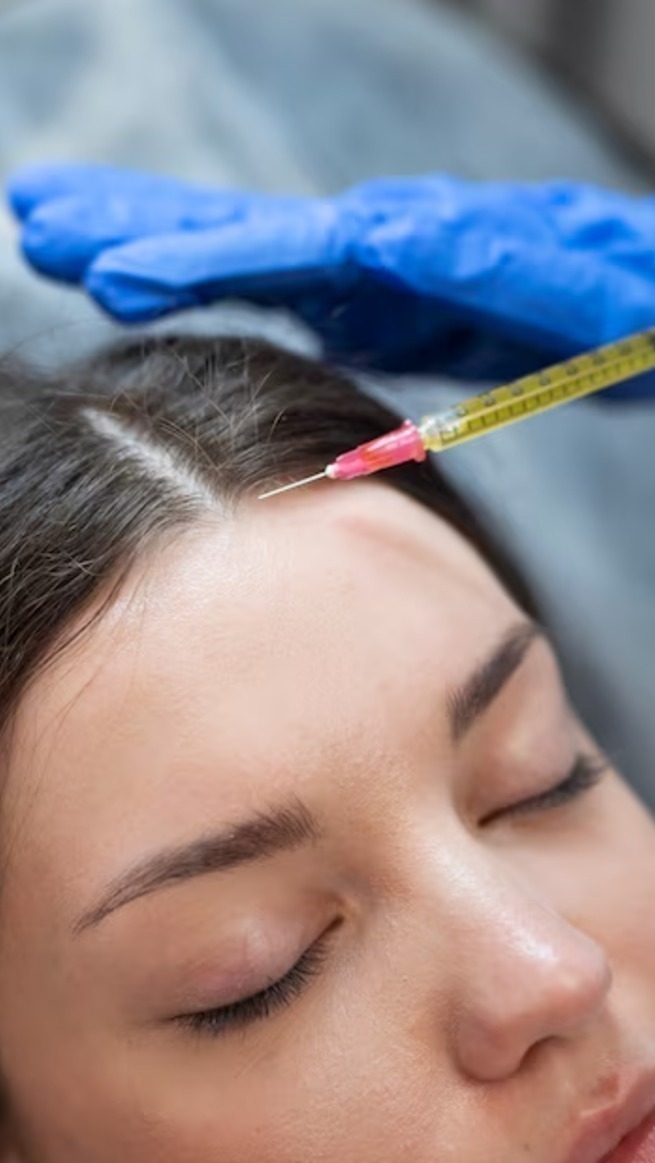
- PRP is injected into areas affected by thinning hair.
- Patients receive post-treatment care instructions before leaving the clinic.
The entire procedure is typically completed within a relatively short appointment, allowing many individuals to resume their routine activities soon afterward.
Who Is a Good Candidate for PRP Hair Treatment?
PRP therapy is not suitable for every type of hair loss, but it can be beneficial for many individuals experiencing early to moderate thinning.
People who may benefit include:
- Men with hereditary hair thinning
- Women experiencing diffuse hair loss
- Individuals with early-stage baldness
- Patients noticing excessive daily hair shedding
- Those looking to improve hair density
- Individuals recovering after a hair transplant
A detailed consultation helps determine whether PRP alone is appropriate or whether it should be combined with additional treatments.
Conditions That May Respond to PRP
Although individual outcomes vary, PRP is commonly recommended for:
- Androgenetic alopecia
- Early hair thinning
- Weak hair follicles
- Reduced hair density
- Hair shedding associated with stress
- Mild scalp health concerns
It is important to identify the underlying cause of hair loss before beginning treatment, as some medical conditions require separate management.
Benefits of PRP Hair Treatment
Many people choose PRP because it offers a non-surgical approach to hair restoration.
Potential advantages include:
- Uses the body's own natural healing components
- No surgical incisions
- Minimal recovery time
- Can strengthen existing hair
- May improve hair thickness
- Suitable alongside other hair restoration procedures
- Helps support transplanted follicles after hair transplant surgery
While PRP may improve hair quality, it is not intended to create new follicles where permanent hair loss has already occurred.
When Can Results Be Expected?
Hair growth is a gradual biological process. Most patients do not notice immediate improvement after the first session.
Generally, treatment plans involve multiple sessions over several months, followed by maintenance sessions if recommended.
Many individuals observe:
- Reduced hair fall after initial treatments
- Gradual improvement in hair texture
- Increased hair thickness over time
- Better overall scalp health
- Progressive improvement during the following months
The exact timeline depends on factors such as age, genetics, lifestyle, and the severity of hair loss.
PRP and Hair Transplant: Can They Be Combined?
Yes. PRP therapy is often recommended before or after a hair transplant as part of a comprehensive hair restoration plan.
It may help by:
- Supporting donor and recipient scalp health
- Encouraging healing after transplantation
- Improving the condition of existing hair
- Complementing surgical hair restoration
Many specialists consider PRP an additional supportive treatment rather than a replacement for hair transplant surgery in cases of advanced baldness.
Choosing PRP Hair Treatment in Nashik
People seeking hair restoration in Nashik often prefer clinics that provide a detailed scalp assessment before recommending treatment. A personalized approach helps determine whether PRP is appropriate or whether another solution may be more effective.
SMART LOOK CLINIC offers individualized evaluations that consider the patient's hair loss pattern, scalp condition, medical history, and long-term goals before suggesting PRP Hair Treatment or other hair restoration options. This ensures that treatment recommendations are based on clinical findings rather than a standard approach for every patient.
Final Thoughts
PRP Hair Treatment has become an increasingly popular option for individuals looking to manage early hair thinning without surgery. While it is not a cure for every type of hair loss, it can be an effective part of a personalized treatment strategy for suitable candidates.
If you are noticing increased hair shedding, reduced hair density, or early signs of baldness in Nashik, consulting a qualified specialist can help determine whether PRP Hair Treatment is the right choice for your condition and expectations.