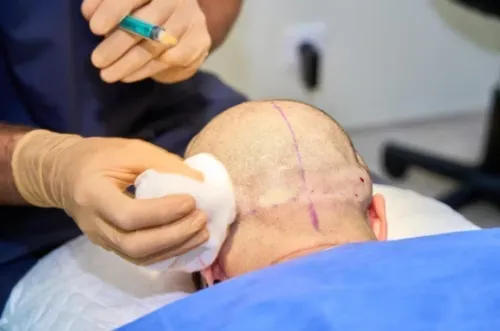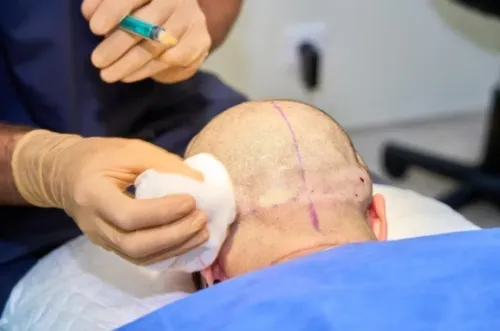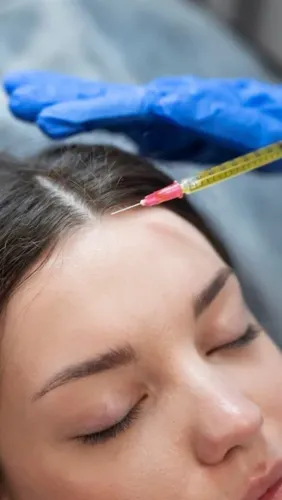

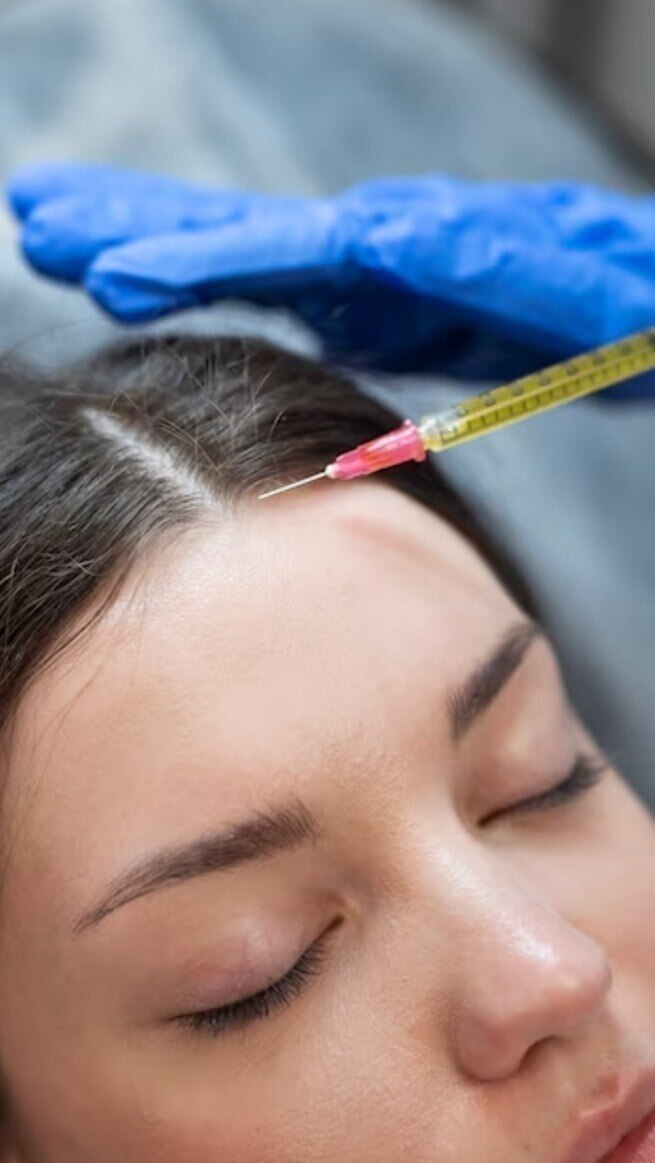
Winter can make recovery from scalp injections more comfortable, but no good evidence shows that PRP works better in cold weather. You will be able to judge whether the season suits your schedule, identify when shedding needs diagnosis first, and plan a realistic treatment course rather than expecting quick regrowth.
Key takeaways
- Winter affects PRP appointment comfort, not proven treatment effectiveness.
- Confirm whether androgenetic alopecia or another condition causes your shedding.
- Plan PRP as a months-long course, not a one-day hair loss fix.
- Protect your scalp from sun, dust, and sweating during aftercare.
Winter affects comfort, not PRP effectiveness
Winter does not make PRP work better for hair loss. Research on androgenetic alopecia has not established a seasonal advantage, so winter is mainly a question of appointment timing and comfort. A cooler day might make sitting through treatment easier, but it does not change how injected platelets affect follicles.
PRP can support thicker-looking hair and reduce shedding for some people with pattern hair loss; it cannot recreate a completely bald area or guarantee regrowth. It is usually an adjunct, not a replacement for an established plan.
A clinician may discuss another treatment or a transplant assessment when PRP alone is unlikely to meet your density goal.
Judge the result in months, not days. Studies commonly assess change around three to six months, and maintenance treatment may be needed; an injection will not produce visible regrowth before a holiday or within one week.
Choose PRP hair treatment in winter in Nashik only if you can attend the full course and review the result.
A sudden shed deserves diagnosis before seasonal booking. Hair loss appearing two to three months after an illness or major stress can be telogen effluvium rather than pattern loss. Examination and dermoscopy, with targeted tests when indicated, help identify whether PRP fits your cause of shedding.
Confirm the cause of shedding before booking injections
PRP suits gradual pattern hair loss more than unexplained shedding. Receding temples, a widening part, or thinning at the crown points toward androgenetic alopecia; sudden diffuse loss after fever, infection, major stress, surgery, crash dieting, or nutritional deficiency points toward telogen effluvium, which often begins two to three months after the trigger.
1. Ask for a scalp examination and dermoscopy before paying for injections. Dermoscopy can reveal miniaturised hairs in pattern loss, sharply defined patches in alopecia areata, and reduced follicular openings in scarring alopecia.
2. Report itching, heavy scaling, redness, pustules, pain, or oozing. These symptoms can indicate scalp infection or inflammation, where treating the scalp condition comes before PRP.
3. Discuss blood tests when your history suggests a wider cause. A clinician may investigate thyroid disease, iron deficiency, anaemia, or another nutritional or systemic problem rather than label the change “winter shedding.”
PRP is usually an add-on for confirmed pattern loss, not a replacement for diagnosis or established treatment. Depending on your sex, pregnancy plans, medicines, and medical history, the discussion may include topical minoxidil, oral treatment, or a transplant assessment instead.
A sensible winter hair loss treatment in nashik should begin with the cause of loss and your ability to complete follow-up, not the season.
Plan for a course measured in months, not days
Plan on about three PRP sessions, not one winter appointment. Clinics commonly space them roughly four weeks apart, although the interval and preparation differ because PRP protocols are not standardised. A clinic promising a dramatic change after one injection is setting a poor expectation.
A practical timeline for seasonal PRP hair treatment in Nashik is:
- Session 1: record baseline photographs under the same lighting and begin injections.
- About one month later: attend session 2; schedule session 3 roughly one month after that.
- Three to six months after the first session: compare coverage with the baseline. Use matching photographs, not a single look in the mirror.
Early changes can reflect reduced shedding rather than visible regrowth. Do not judge the course before the three-month point, and do not expect a holiday-ready result within one week of an injection.
If there is no meaningful improvement by six months, review the diagnosis, protocol and alternatives with a qualified clinician instead of automatically buying more sessions.
Some patients need maintenance treatment after the initial course, so ask how follow-up will be decided. Winter changes scheduling and comfort; it does not shorten this biological timeline. If you cannot return for appointments, or your shedding began suddenly, get the cause assessed before paying for a package.
Use Nashik’s winter conditions to plan safer aftercare
Winter in Nashik can make PRP aftercare more comfortable, but it does not improve platelet activity or guarantee better regrowth. Plan around the day’s actual conditions: cold, dry air is manageable, while sun exposure, dust, travel, sweating and an outdoor event can irritate freshly injected scalp skin.
- Before booking, ask the clinician to confirm the cause of shedding. Examination and dermoscopy can help distinguish androgenetic alopecia from alopecia areata, scalp infection, scarring alopecia or telogen effluvium. If your history suggests thyroid disease, iron deficiency or another systemic problem, ask whether blood tests are needed before injections.
- Disclose anticoagulants, antiplatelet medicines, aspirin, ibuprofen, bleeding disorders, platelet disorders, active infection and other medical conditions. Never stop prescribed blood thinners or anti-inflammatory medicines without the prescribing doctor’s approval.
- Expect temporary tenderness, redness, small bleeding points or swelling after treatment. Follow the clinic’s washing instructions, avoid rubbing or scratching the scalp, and postpone strenuous exercise that causes heavy sweating until advised.
- Protect the scalp from strong sun and dusty travel, and do not apply hair oils, dyes or unapproved products over injection sites. Confirm when you can resume each one.
If you are considering prp treatment during winter in nashik, choose a date that allows follow-up and recovery rather than chasing a seasonal benefit. A sudden unexplained shed or active scalp infection deserves evaluation before you pay for a package.
Choose a treatment plan you can complete and compare
Choose the plan you can attend for several months, not the one that sounds best for one winter appointment. Before paying for seasonal prp hair treatment in nashik, ask the clinic to document your diagnosis, examine your scalp with dermoscopy, and explain whether tests for iron deficiency, thyroid disease or another systemic cause are needed.
Ask these questions:
- What pattern or condition are you treating: androgenetic alopecia, alopecia areata, telogen effluvium, scalp infection or scarring alopecia?
- How many sessions will I need, how far apart, and when will you compare photographs?
- What improvement is realistic at three and six months, and will maintenance sessions be needed?
- What is the complete cost, including follow-ups, medicines and repeat sessions?
- Why is PRP preferable to topical minoxidil, an oral option or a transplant assessment for my diagnosis?
- Which medicines, pregnancy plans or medical conditions change the recommendation?
| Option | What to compare | Warning sign |
|---|---|---|
| PRP | Multi-month course, response photos and maintenance | A promise of regrowth within a week |
| Medical treatment | Daily adherence, side effects and monitoring | No discussion of contraindications |
| Transplant assessment | Stable donor area, diagnosis and long-term design | Surgery offered before the cause is clear |
For prp hair treatment in winter in nashik, ask how sun, dust, sweating and travel affect aftercare; winter comfort does not prove better results. Whether you consult SMART LOOK CLINIC or another provider, choose the plan whose diagnosis, timeline and follow-up you can verify and complete.
Frequently asked questions
Is winter a good time for PRP hair treatment in Nashik?
Winter can make appointments and early aftercare more comfortable, but research has not established that the season improves PRP effectiveness.
Should you confirm the cause of hair shedding before PRP?
Yes. Ask for an assessment before booking injections, because PRP may not address shedding caused by conditions such as nutritional deficiency, thyroid disease, scalp inflammation, or alopecia areata.
How long does a PRP hair treatment course take?
Plan around a course measured in months rather than days. Follow the clinician’s schedule and allow time to assess changes between sessions.
How should you plan PRP aftercare during Nashik’s winter?
Follow the clinic’s washing and activity instructions, protect the treated scalp from dust and direct sun, and avoid actions that increase irritation during the early recovery period.