The first two weeks after FUT surgery require careful protection of both the transplanted grafts and the linear donor incision. Use the timeline below to understand what to do each day, which Thane-specific practical issues to plan for, and when a symptom needs prompt medical attention.
Key takeaways
- Keep the dressing dry and sleep with your head elevated for the first 48 hours.
- Wash gently only when your surgeon permits; never pick graft crusts or pull sutures.
- Avoid strenuous activity until cleared, and do not judge hair growth before month three.
- Report increasing pain, spreading redness, pus, fever or persistent bleeding promptly.
The first 48 hours: protect grafts and control bleeding
Your surgeon’s written FUT surgery aftercare instructions take priority over generic online advice. Keep the original dressing in place until instructed to remove it, avoid touching or pressing the grafts, and rest with your head elevated to limit swelling.
Take each prescribed medicine at the stated dose and timing; do not add aspirin or another blood-thinning medicine without medical approval.
During the first 48 hours:
- Blot minor blood spotting with clean gauze only if your surgeon permits it; never rub the recipient area.
- Call the clinic promptly if bright-red bleeding continues despite firm pressure on the donor wound, or if the dressing becomes soaked.
- Avoid bending from the waist, heavy lifting, strenuous exercise, and anything that causes heavy sweating.
- Keep hats, helmets, pillows, and clothing from rubbing the grafts unless the clinic has approved them.
- Do not drink alcohol or smoke while your surgeon advises against them, because both can interfere with early wound healing.
Expect tightness and tenderness around the linear donor incision, with swelling that can appear on the forehead during the next couple of days. A first gentle wash is often allowed after 24–48 hours, but follow your clinic’s timing.
Use diluted mild shampoo with clean fingertips, rinse with a cup or soft flow, and pat dry; never scrub, scratch, or pick at early crusts.
Days 3–14: washing, crusts, sutures and donor-wound care
From day 3, wash only as your surgeon directs: use lukewarm water and a prescribed or gentle shampoo, apply it with clean fingertips, and keep fingernails away from the grafts. Let the lather pass over the recipient area without rubbing, then rinse gently and pat dry with a soft towel.
Crusts around the grafts are expected. Do not pick, scratch or lift them, because early removal can disturb healing grafts; allow them to loosen during gentle washing. If crusting remains after day 10–14, ask your surgeon whether longer soaking or a specific cleanser is appropriate.
Clean the linear donor incision with the same gentle technique and follow any prescribed ointment instructions. Keep the area dry only as long as your surgeon advised. Non-dissolving sutures are commonly removed around days 10–14, but never cut or pull them yourself. Numbness, tightness and tenderness along the scar can continue for weeks.
During this period, confirm your fut hair washing guidance, exercise restrictions and medication questions at follow-up rather than changing care independently. Avoid strenuous exercise, heavy lifting, swimming and heavy sweating until cleared, since the incision can bleed, open or become irritated.
Contact the surgeon urgently for:
- Spreading redness, worsening pain, pus, foul drainage or fever
- Persistent bleeding, wound separation or sudden severe swelling
These are not normal FUT transplant recovery in Thane. Protect a closed donor scar from direct sun; use a loose hat or high-SPF sunscreen only after your surgeon permits it.
Weeks 2–12: returning to normal activities without judging the result
Week 2 does not make every activity automatically safe. The recipient grafts are more secure, but the FUT donor incision remains under tension; numbness, tightness or tenderness can persist. For FUT transplant recovery in Thane, use the operating surgeon’s clearance rather than a calendar alone, especially if healing has been slow.
- Resume desk work when you can sit comfortably and pain or medication does not impair concentration. Delay dusty, hot or physically demanding work if it causes sweating or rubbing.
- Restart walking first, then increase exercise only after approval. Leave heavy lifting, strenuous workouts and contact sports until the surgeon clears them; raised blood pressure and stretching can trigger bleeding or irritate the linear scar.
- Avoid swimming until the incision and recipient skin have healed and your surgeon permits it. Pools, lakes and seawater expose healing skin to chemicals, microbes and friction.
- Wear a helmet only when it fits without pressing, scraping or trapping sweat over the grafts or donor wound. Ask about motorcycle helmets, hard hats and tight caps separately.
- Return to bending, travel and sexual activity after clearance if they do not cause pressure, pulling or heavy sweating. Take prescribed medicines as directed, and do not restart aspirin or blood thinners independently.
Shedding between the second and eighth week can be normal: transplanted hair shafts enter a resting phase while follicles remain beneath the skin. Visible regrowth develops gradually, so assess the cosmetic result around nine to twelve months, not during early shedding.
Worsening pain, spreading redness, pus, fever, persistent bleeding or wound separation needs prompt medical contact.
Planning follow-up in Thane and protecting the FUT scar
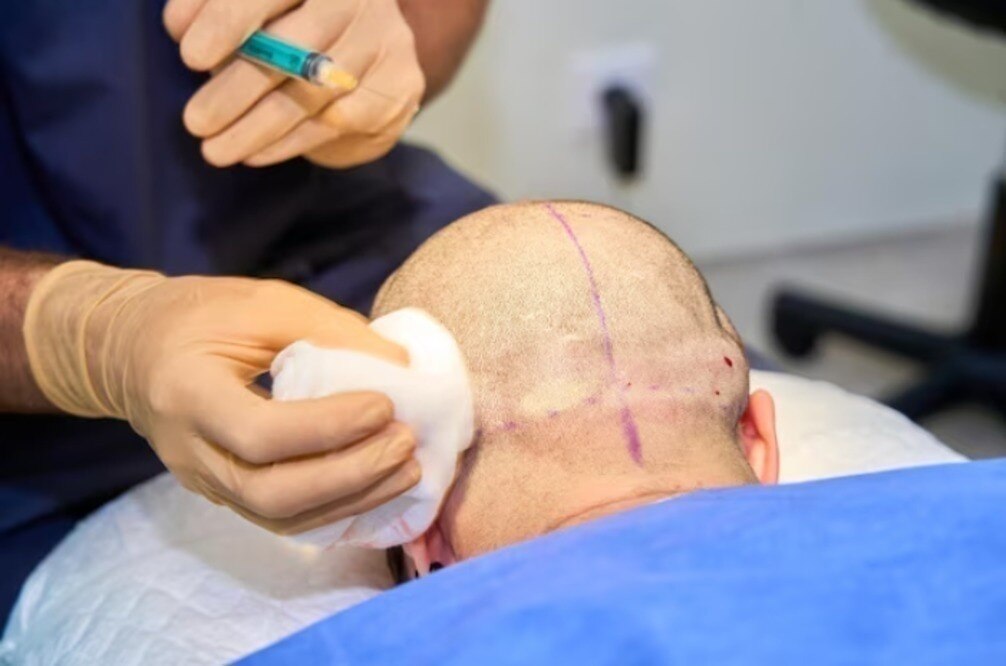
A FUT transplant follow up in Thane should examine both the recipient grafts and the linear donor incision. The surgeon checks healing, infection, wound separation, excessive scarring, persistent bleeding and graft disturbance, then removes non-dissolving sutures at the specified interval if required.
- Take the surgeon’s written aftercare instructions and medication list.
- Ask when you may shampoo, exercise, work outdoors and wear a helmet.
- Confirm whether the incision is closed enough for sunscreen or a hat.
- Report spreading redness, worsening pain, pus, foul drainage, fever, sudden severe swelling or wound separation immediately.
- Do not change medicines or wound care because a website gives different advice.
For fut hair transplant for aftercare in thane, plan around heat, humidity, traffic pollution and monsoon rain. Avoid prolonged sweating, dusty roadside exposure and unclean water touching fresh grafts; keep the wound dry for the period your surgeon specified.
Use a clean, loose covering only after approval, and postpone prolonged helmet pressure until the surgeon confirms it is safe. SMART LOOK CLINIC can use follow-up to settle these practical questions against your actual wound condition rather than a generic timeline.
Protect the donor scar from direct sun while it heals. After the incision closes, use a permitted hat or high-SPF sunscreen to reduce darkening, but avoid tight or abrasive coverings. Numbness, tightness and tenderness can last weeks, so judge the scar only after healing progresses.
Months 3–12: expected growth and warning signs that need medical review
Visible growth usually begins around month 3 or 4, then thickens gradually. Assess the cosmetic result at 9–12 months, not during early shedding. Transplanted hairs commonly fall out in the first several weeks while the follicles remain in place. Follow the surgeon’s written FUT surgery aftercare instructions because washing, medicines and follow-up timing vary.
| Month | What you may notice | What to do |
|---|---|---|
| 3–4 | Fine, uneven new hairs may appear, with limited density. | Photograph monthly in the same light and avoid judging isolated thin areas. |
| 5–8 | Growth becomes easier to see, but coverage and thickness develop at different speeds. | Attend scheduled reviews before changing medicines or adding treatments. |
| 9–12 | Most cosmetic change is visible, although texture and density can keep improving. | Assess the result with the surgeon using consistent photographs and the original goal. |
Contact the transplant surgeon urgently, or seek medical care, for symptoms that do not fit routine FUT transplant recovery in Thane:
- Redness spreading beyond the incision or recipient area
- Pain that worsens after initial improvement
- Pus, foul-smelling drainage, fever, or persistent bleeding
- Donor-wound separation or sudden severe swelling
Do not wait for a routine appointment when these symptoms occur. Arrange review for poor healing, excessive scar widening, or absent growth after the expected assessment window.
Frequently asked questions
What should you do during the first 48 hours after FUT surgery?
Keep the original dressing in place until your surgeon tells you to remove it. Do not touch or press the grafts, and rest with your head elevated to limit swelling and bleeding.
When can you wash your hair after an FUT transplant?
Follow your surgeon’s written washing instructions because timing varies by dressing and wound condition. When cleared, wash gently without rubbing grafts, scratching crusts or pulling the donor-area sutures.
When can you return to normal activities after FUT surgery?
Resume routine activities gradually after your surgeon’s clearance. Avoid strenuous exercise, heavy lifting and activities that cause sweating or pressure on the scalp until your donor wound is healing well.
When should you seek medical review after an FUT transplant?
Contact your surgeon for increasing pain, spreading redness, pus, fever, persistent bleeding, worsening swelling or a wound that opens. Arrange follow-up to check healing, remove sutures and review the FUT scar.