PRP can temporarily intensify pain, itching, redness, or swelling, and injecting an infected or actively inflamed scalp can create avoidable risk. You will learn how to distinguish a short-lived injection reaction from a scalp condition that needs diagnosis and treatment before PRP, and what to ask during a consultation in Thane.
Key takeaways
- Delay PRP while your scalp is inflamed, infected, or actively irritated.
- PRP does not treat dandruff, seborrheic dermatitis, psoriasis, or fungal infections.
- Seek review for worsening redness, pus, severe pain, fever, or persistent swelling.
- Ask for a scalp diagnosis and medication review before choosing PRP.
When can PRP worsen an already irritated scalp?
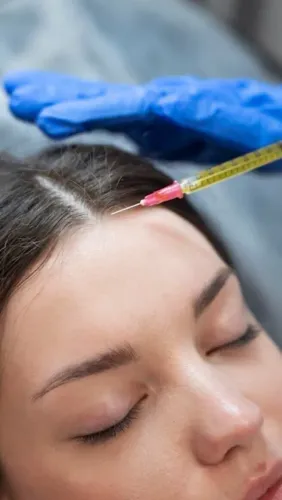
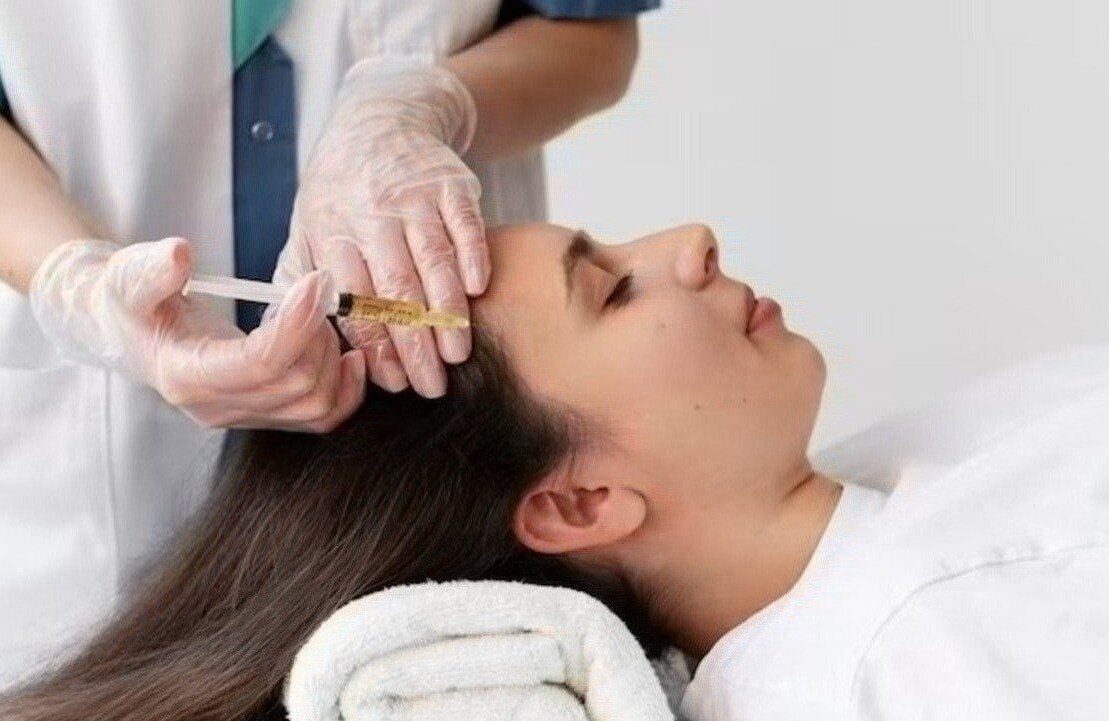
Yes, PRP can aggravate an already irritated scalp. Needle trauma and local inflammation can temporarily increase tenderness, redness, swelling, bruising, headache, or itching, even when no scalp disease existed beforehand. An inflamed scalp can make these effects more uncomfortable and complicate healing.
Do not inject until the scalp has been examined if you have:
- Open sores, pustules, or crusting.
- Cellulitis, significant warmth, or spreading tenderness.
- An uncontrolled flare of psoriasis, seborrhoeic dermatitis, folliculitis, or another inflammatory scalp condition.
Treat the underlying problem first. Puncturing damaged skin can extend irritation and introduce infection, so postponing PRP is safer than injecting through active lesions.
The phrase can prp hair treatment for worsen scalp problems in thane reflects a real concern, but Thane’s location does not change the medical principle: a clinician must examine your scalp before treatment. PRP is primarily studied for some forms of nonscarring hair loss, particularly androgenetic alopecia, not for treating an inflamed or infected scalp.
Ask for a scalp assessment rather than assuming hair shedding makes PRP suitable.
Why PRP is not a dandruff treatment
PRP is not a dandruff treatment and does not reliably remove flakes or control the cause of scaling. Persistent dandruff can reflect seborrhoeic dermatitis, psoriasis, tinea capitis, contact dermatitis, or another disorder; these conditions can look alike without a scalp examination.
The practical difference is diagnosis-led care versus PRP for dandruff scalp problems. Seborrhoeic dermatitis may need an antifungal shampoo or other clinician-directed treatment, psoriasis needs an anti-inflammatory plan, tinea capitis requires antifungal treatment, and contact dermatitis improves when the trigger is identified and avoided.
PRP is studied mainly for some nonscarring hair-loss patterns, especially androgenetic alopecia, not for these scalp conditions.
Treat the scalp problem first. Active scale, scratching, broken skin, or inflammation can make injections more painful and complicate recovery. Tell the treating clinician if you have:
- Active dandruff, psoriasis, crusting, sores, or intense itching
- Sudden shedding or patchy bald areas alongside the flakes
- Recent scalp products or procedures that caused a reaction
Do not book PRP solely because you notice hair shedding with dandruff. Ask for an assessment of both the scalp and hair-loss pattern; dermoscopy, fungal testing, or a biopsy may be appropriate when the diagnosis is unclear.
Once the underlying condition is controlled and the hair-loss diagnosis supports PRP, the clinician can weigh its potential benefit against injection-related irritation.
Which post-PRP symptoms need review instead of another session?
Pain, tenderness, mild redness, swelling, bruising, headache, and itching can follow PRP injections even when the scalp was healthy. These symptoms should trend down over several days, not intensify.
| Expected short-term irritation | Needs prompt medical review |
|---|---|
| Pain or tenderness that steadily eases | Increasing pain or rapidly spreading tenderness |
| Mild redness that fades | Worsening redness or warmth |
| Small areas of swelling or bruising | Marked swelling |
| Mild itching without spreading rash | Pus, fever, or feeling acutely unwell |
Persistent irritation is not a reason to book another session automatically. It can indicate folliculitis, infection, contamination during blood handling or injection, a reaction to an antiseptic or topical product, or an unrelated scalp disorder. Proper PRP scalp irritation treatment starts with examination and diagnosis, not repeat injections.
Bleeding and bruising deserve extra attention if you have a platelet disorder or take anticoagulant or antiplatelet medicines. Tell the treating clinician before treatment, and do not stop or alter prescribed medication without instructions from the clinician who prescribed it.
The phrase prp hair treatment side effects scalp should prompt you to check the recovery pattern: improving symptoms support routine aftercare, while worsening symptoms require medical review.
What should be checked before deciding that PRP is suitable?
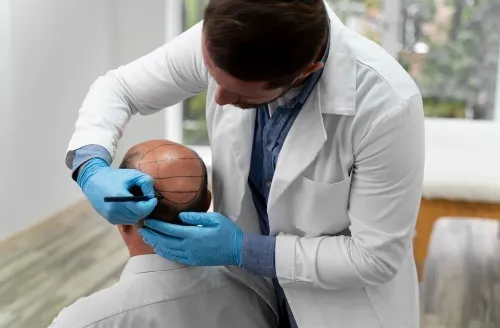
Before blood is drawn, the clinician should review the hair-loss pattern and examine the scalp surface. Ask about medications, bleeding disorders or easy bruising, immune suppression, reactions to antiseptics or local anaesthetics, active dandruff or psoriasis, and recent scalp procedures.
The examination should look for findings that need diagnosis before injection:
- Sudden shedding may indicate telogen effluvium.
- Patchy bald areas may indicate alopecia areata or tinea.
- Severe scale may indicate tinea or inflammatory dermatitis.
- Pustules may indicate folliculitis or infection.
- Scarring or missing follicular openings may indicate cicatricial alopecia.
| Finding | Why it changes the decision | Useful next step |
|---|---|---|
| Sudden or diffuse shedding | PRP does not establish the cause | Review triggers and diagnose telogen effluvium |
| Patchy loss | Alopecia areata and tinea need different treatment | Dermoscopy; fungal testing when indicated |
| Pustules, crusting, or severe inflammation | Needles can worsen irritation or spread infection | Treat the scalp condition first |
| Scarring or absent follicular openings | Permanent follicle damage may be present | Dermoscopy and, in selected cases, scalp biopsy |
Dermoscopy can inspect follicular openings and inflammation when the diagnosis is uncertain. A fungal test or scalp biopsy may be more appropriate than empirical injections.
PRP evidence for androgenetic alopecia is difficult to compare because studies use different platelet concentrations, activation methods, injection schedules, and outcome measures. One clinic’s protocol or claimed success rate cannot replace a diagnosis.
What should a scalp-condition consultation in Thane include?
Ask whether your scalp is clear enough for injections and what diagnosis explains the hair loss. A scalp-condition consultation in Thane should compare the scalp surface with the hair-loss pattern, not present PRP as a universal treatment.
Sudden shedding, patchy loss, severe scale, pustules, scarring, or missing follicular openings may require dermoscopy, fungal testing, or biopsy before injections.
Ask these questions before consenting:
- Do dandruff, psoriasis, pustules, crusting, open sores, cellulitis, or infection need control first?
- Which findings would postpone PRP?
- How are blood collection, tubes, skin antisepsis, and injection equipment kept hygienic?
- What is my diagnosis, and is PRP studied for it?
- Have you reviewed my anticoagulants, antiplatelet medicines, bleeding history, immune suppression, recent scalp procedures, and reactions to antiseptics or local anaesthetics?
- How will follow-up work, and which symptoms require urgent review?
Smart Look Clinic is one option for this discussion in Thane; the useful next step is a diagnosis-led assessment rather than an automatic procedure booking.
| Finding | Usual implication | What to clarify |
|---|---|---|
| Mild tenderness, redness, swelling, bruising, headache, or itching | Expected short-term irritation | When should it settle? |
| Worsening redness, warmth, pain, pus, fever, marked swelling, or spreading tenderness | Prompt medical review | Could this be infection or folliculitis? |
| Persistent irritation | Reassessment before another session | Could antiseptic, topical products, or another disorder be responsible? |
PRP is appropriate only when its expected benefit for the diagnosed hair-loss problem outweighs irritation and bleeding risks. Do not stop prescribed medication without the prescribing clinician’s advice.
Frequently asked questions
When can PRP worsen an already irritated scalp?
Needle trauma and local inflammation can increase tenderness, redness, swelling, bruising, headache, or itching. Treat the active scalp problem before proceeding.
Why is PRP not a dandruff treatment?
PRP is intended to support hair growth, not remove scale or treat dandruff causes such as seborrheic dermatitis, psoriasis, or fungal infection.
Which post-PRP symptoms need review instead of another session?
Arrange medical review for worsening redness, pus, severe or increasing pain, fever, spreading swelling, or symptoms that do not settle.
What should be checked before deciding that PRP is suitable?
A clinician should examine the scalp, identify inflammation or infection, review medicines and allergies, and assess whether the hair-loss diagnosis suits PRP.
What should a scalp-condition consultation in Thane include?
It should include a scalp examination, hair-loss history, medication review, assessment for dandruff or infection, and a clear plan for treatment or referral.