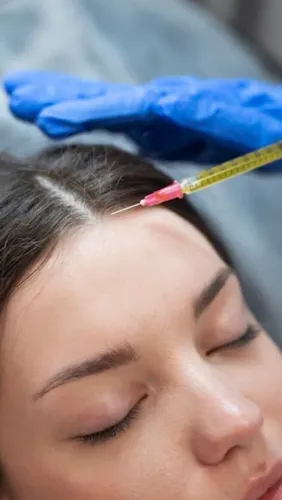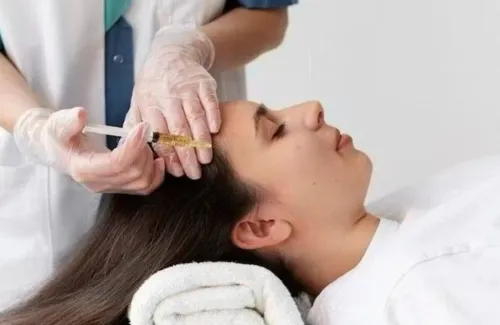
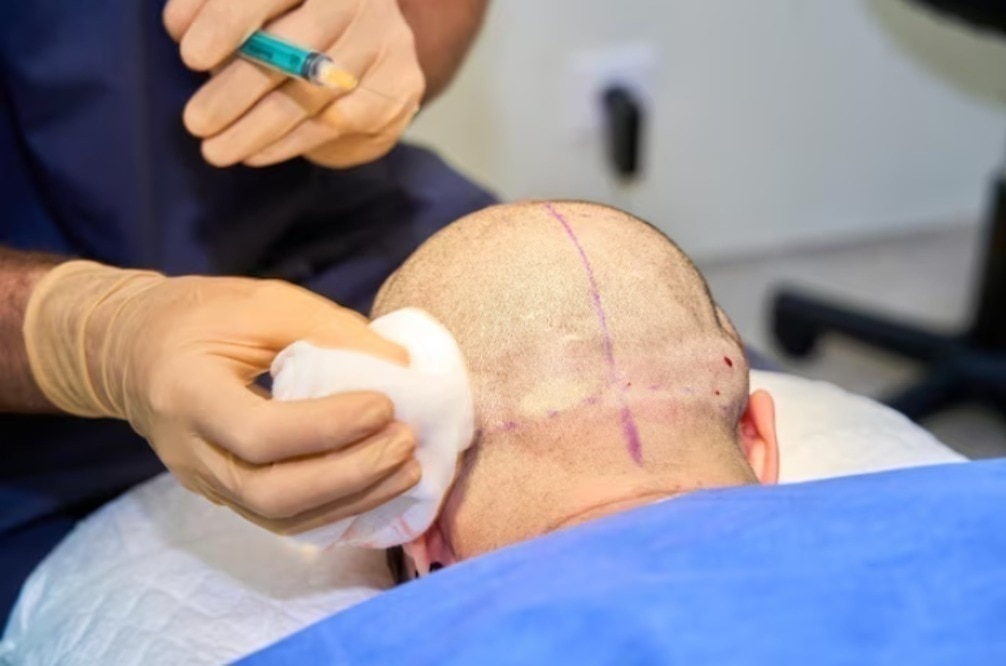
Sparse eyebrows can result from over-plucking, skin disease, alopecia areata, thyroid problems, scarring, medication effects, or naturally limited growth. You will be able to distinguish when a FUE eyebrow transplant is suitable, what the procedure can and cannot correct, and how to assess a clinic and treatment plan before committing.
Key takeaways
- Choose FUE when eyebrow loss is stable and donor hair is suitable.
- Prioritise brow direction, angle, and shape over the number of grafts.
- Treat active skin disease or unstable hair loss before transplantation.
- Expect early shedding, then visible growth over several months.
When can FUE restore sparse eyebrows permanently?
A FUE eyebrow transplant can provide lasting improvement when eyebrow loss is stable, the recipient skin is healthy, and the donor area contains enough suitable hair. FUE describes harvesting individual follicular units through small punch openings; it does not describe the complete restoration method, including brow design, recipient-site angle, or graft placement.
Scalp hair is commonly used because it is available in greater supply, but it keeps growing longer and faster than native eyebrow hair. Regular trimming is usually necessary. Relocating living follicles is a permanent change, unlike concealers, microblading, or cosmetic tattooing, which camouflage sparse areas without creating new hair growth.
A suitable sparse eyebrow treatment still carries surgical risks:
- FUE avoids a linear strip scar, but small punch scars, lighter or darker pigment changes, folliculitis, and overharvesting can occur in the donor area.
- Graft loss or poor growth can result from weak donor hair, rough extraction, poor graft handling, inadequate recipient-site preparation, an unsuitable diagnosis, or inadequate aftercare.
- The result improves coverage and shape, but it cannot guarantee native eyebrow density or identical hair texture. Scalp hair may differ in calibre, curl, and growth behaviour.
- A conservative design matters because the brow is a small recipient area. Excessive density, poor symmetry, or an unnatural shape can be difficult to correct.
Permanent follicle relocation therefore means long-term hair production, not a promise of flawless or maintenance-free eyebrows.
Why eyebrow angle and design matter more than the graft count
A technically successful harvest can still produce an unnatural eyebrow if the grafts are placed at the wrong angle or in the wrong pattern. FUE hair restoration describes how follicles are removed from the donor area; it does not guarantee design quality, natural growth, or a convincing cosmetic result.
The placement plan should account for:
- An angle close to parallel with the skin, because upright grafts can create a bristly, transplanted appearance.
- The direction of existing brow hairs, so new growth follows rather than fights the natural pattern.
- One-hair follicular units along the front edge, which create a softer transition than multi-hair grafts.
- Conservative brow thickness, because excessive density looks heavy and leaves little room for correction.
- The arch or peak position, tail length, and symmetry, since a misplaced peak or overlong tail changes the entire expression.
- A gradual transition from sparse areas into existing hairs, rather than a sharp line of newly implanted grafts.
An overly straight shape, incorrect direction, or excessive density is difficult to revise in the small recipient area. Removing or repositioning grafts can damage surrounding follicles and still leave visible irregularity. Donor hair also matters: curl, calibre, and texture influence how closely it resembles eyebrow hair.
FUE is a harvesting method, not a promise of native-looking brows.
Which causes of eyebrow loss should be treated before transplantation?
Diagnosis comes before choosing sparse eyebrow treatment because a transplant relocates follicles; it does not stop the disease causing madarosis. Common causes include:
- Over-plucking
- Eczema or another local skin disease
- Thyroid disease
- Alopecia areata
- Scarring alopecia
- Medication effects
- Iron deficiency or other nutritional problems
- Systemic illness
Transplantation is a poor first choice when the recipient skin has active inflammation, infection, uncontrolled scarring, or untreated alopecia areata. Placing grafts into diseased skin can produce poor growth, worsening loss, or an unnatural result.
The consultation should establish whether the loss is stable and whether the donor area contains suitable hair. The clinician should examine both eyebrows and the scalp, review the loss pattern and medical history, look for broken hairs or scarring, and assess donor density, hair calibre, and quality.
| Cause | More suitable next step | Why transplantation waits |
|---|---|---|
| Over-plucking | Observation, camouflage, or restoration after stability | Follicles may still recover |
| Eczema or inflammation | Medical treatment | Active disease compromises the recipient skin |
| Thyroid or systemic illness | Treat the underlying illness | Loss can continue after surgery |
| Alopecia areata | Specialist medical management | New patches can affect transplanted and native hairs |
| Scarring alopecia | Stabilise disease and assess scarring | Uncontrolled scarring can destroy grafts |
| Nutritional or medication-related loss | Correct deficiency or review medication with a doctor | The trigger may be reversible |
Depending on the diagnosis, options include topical medical treatment, thyroid or systemic care, concealers, cosmetic tattooing, or microblading.
What happens after FUE, and when will you see the result?
Expect mild swelling, temporary numbness, pinpoint bleeding, and small scabs during the first few days after FUE. The scabs usually loosen over the following week; scratching them can dislodge grafts and cause graft loss.
- First days: protect the recipient sites as instructed and report persistent bleeding, spreading redness, worsening pain, pus, or fever. These signs can indicate infection.
- First weeks: folliculitis, ingrown hairs, and small cysts can appear around emerging or trapped hairs. Ask the clinic how to treat them rather than squeezing the area.
- Several weeks onward: transplanted hairs commonly shed. An initially full-looking brow is not the final result; the follicles remain beneath the skin before new hairs emerge.
- Months 3–6: new growth becomes visible gradually, with density and direction developing unevenly.
- Months 9–12: judge the cosmetic result. Earlier photographs cannot reliably show the final outcome.
FUE leaves no linear strip scar, but tiny punch scars, pigment changes, visible scarring, or donor overharvesting can occur. Not every graft survives. Results depend on extraction, graft handling, recipient-site preparation, donor quality, the diagnosis causing loss, and postoperative care—not graft count alone.
Scalp hairs grow longer and faster than eyebrow hairs, so plan for lifelong trimming. Revision may be needed if grafts grow in the wrong direction, look too dense, fail to grow, or create asymmetry.
How should you compare an eyebrow restoration clinic in Navi Mumbai?
A good comparison starts with documented clinical reasoning, not the largest advertised graft count. For FUE eyebrow restoration in Navi Mumbai, ask for written answers and keep them for comparing consultations.
- What is the diagnosis, and is the eyebrow loss stable?
- Is the recipient skin healthy, without active inflammation, infection, or uncontrolled scarring?
- How strong and dense is the donor area?
- How many grafts are proposed, and how many are one-hair follicular units?
- What brow thickness, arch, peak, tail length, symmetry, and transition are planned?
- At what angle and direction will each graft enter the recipient skin?
- How often will transplanted hair need trimming?
- What growth timeline, risks, aftercare, and revision policy apply?
Confirm the operating doctor’s registration, then ask who personally handles each critical step.
| Role | Question to ask | Warning sign |
|---|---|---|
| Consultation | Who examines and designs my brows? | You meet only a salesperson |
| Extraction | Who removes and handles the grafts? | No named operator |
| Site creation and implantation | Who makes recipient sites and places grafts? | Staff roles remain unexplained |
Critical surgical steps should not be delegated to inadequately trained staff without a clear explanation. Ask to see healed eyebrow results at 9–12 months, not only immediate postoperative photographs.
An eyebrow restoration clinic in Navi Mumbai should also explain when medical treatment, concealers, cosmetic tattooing, or microblading is safer than surgery. Check whether the clinic can manage infection, folliculitis, poor growth, wrong-direction hairs, asymmetry, and revisions. Evaluate SMART LOOK CLINIC by these questions, not promotional graft counts alone.
Frequently asked questions
When can FUE restore sparse eyebrows permanently?
FUE can provide lasting improvement when eyebrow loss is stable, the recipient skin is healthy, and the donor area contains suitable hair. Future thinning from an untreated cause can affect the result.
Why do eyebrow angle and design matter more than graft count?
Eyebrow hairs grow at shallow, changing angles and follow a specific direction across the brow. Incorrect design or placement can look unnatural even when many grafts are transplanted.
Which causes of eyebrow loss should be treated before transplantation?
Treat active skin conditions, ongoing inflammatory hair loss, infection, and unresolved causes such as repeated plucking before transplantation. A clinician must identify the cause and confirm that loss is stable.
What happens after FUE, and when will you see the result?
Tiny scabs and redness can appear during early healing. Transplanted hairs often shed first, while new growth develops gradually over several months and continues to mature afterward.
How should you compare an eyebrow restoration clinic in Navi Mumbai?
Compare the surgeon’s eyebrow-specific planning, donor-hair assessment, recipient-site angle, before-and-after cases, follow-up process, and explanation of risks rather than graft count alone.