
Heavy shedding after PRP does not prove that the injections failed: the underlying diagnosis, treatment timing, and assessment method all affect the result. You will be able to identify when PRP is a reasonable adjunct, when another cause needs investigation, and when repeating injections or considering a transplant is the wrong next step.
Key takeaways
- PRP cannot correct hair loss caused by every scalp or medical condition.
- Shedding can continue while resting-phase hairs complete their cycle.
- Confirm the diagnosis, protocol, and progress measurements before repeating PRP.
- Consider a transplant consultation when permanent pattern loss has reduced donor-supported coverage.
PRP Cannot Treat Every Cause of Severe Hair Fall
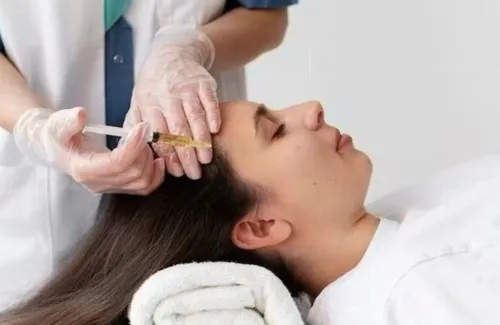
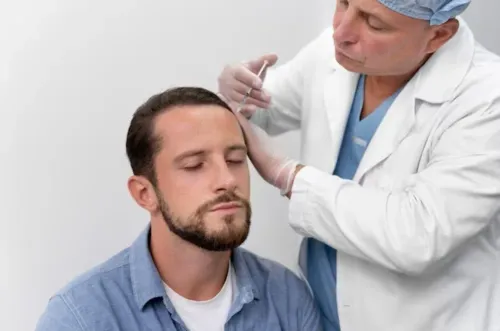
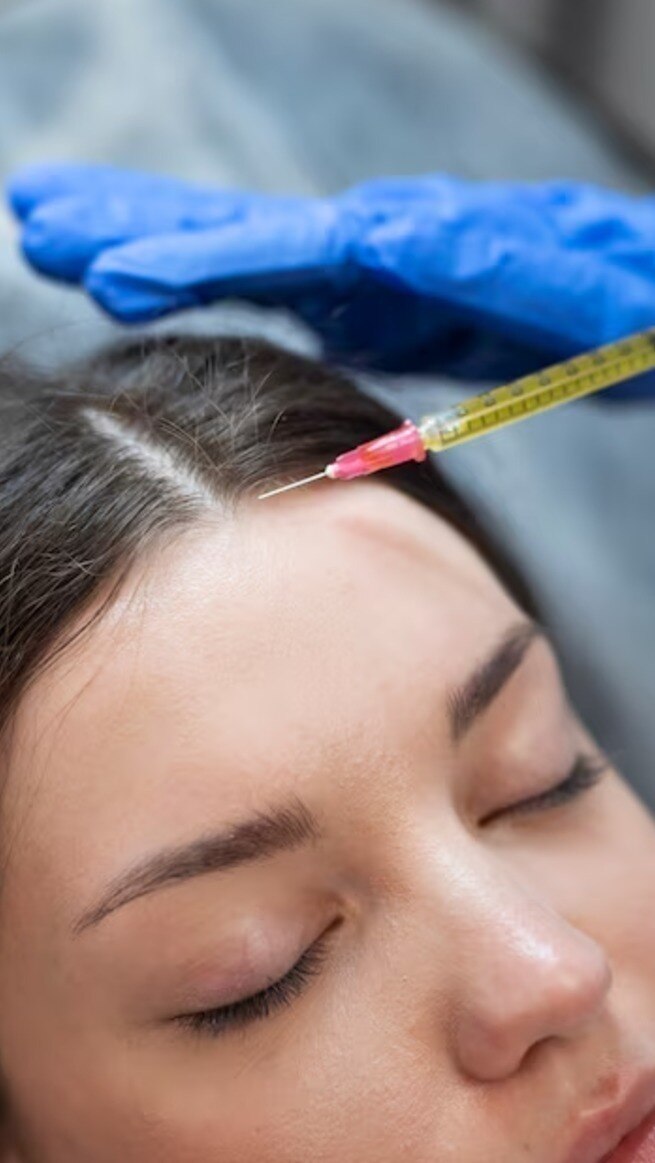
PRP is best studied for androgenetic alopecia, where it may improve follicle calibre and density over time. It is not a rapid shedding treatment, and it cannot immediately reverse hairs already in the telogen, or resting, phase. Therefore, severe hair fall PRP treatment may fail when the underlying diagnosis is different.
| Diagnosis | Why PRP is not the primary treatment | What needs attention |
|---|---|---|
| Telogen effluvium | Shedding follows fever, illness, surgery, rapid weight loss, severe stress, childbirth, or medication change | Find the trigger; shedding can continue for several months after it ends |
| Alopecia areata | An autoimmune attack causes patchy or diffuse loss | Confirm the diagnosis and treat the immune-driven inflammation |
| Scarring alopecia | Inflammation can permanently destroy follicles, which PRP cannot restore | Examine the scalp promptly; a biopsy may be needed |
| Thyroid or iron deficiency | A systemic deficiency can disrupt the hair-growth cycle | Order targeted blood tests and correct the abnormality |
| Medication-related shedding | The medicine, not the scalp platelet level, is driving the loss | Review recent and long-term medicines with the prescribing clinician |
| Active scalp infection | Infection can inflame follicles and worsen shedding | Treat the infection before elective injections |
Rapidly progressive loss, scalp pain, burning, redness, scale, pus, or smooth shiny patches require investigation before another session. PRP not reducing hair fall does not prove that the injections were technically unsuccessful; it may show that PRP was aimed at the wrong diagnosis.
A consultation should identify the condition being treated and state when further testing or biopsy is necessary.
Why Shedding Can Continue After a Technically Proper PRP Session
A technically proper PRP session does not immediately stop shedding because it cannot rescue hairs that have already entered the telogen, or resting, phase. Those hairs still detach on their normal schedule, so PRP not reducing hair fall in the first few weeks does not prove that the injections failed.
For pattern alopecia, PRP is intended to support follicle activity, shaft calibre, and visible density over time. It is not a rapid shedding-control treatment. A follicle needs time to move through its growth cycle before any change becomes visible.
Shedding can also continue after the trigger has ended. Telogen effluvium often appears two to three months after an illness, operation, rapid weight loss, major stress, childbirth, or medication change, then persists for several months. PRP given during that interval may look ineffective because the earlier trigger is still determining which hairs fall.
Timing matters before labelling the result PRP treatment failure. Clinical studies commonly use about three sessions spaced roughly one month apart, with assessment several months later; judging the result after one session or a few weeks is premature.
Use consistent photographs, lighting, hair length, and scalp position at each review. Hair in the drain varies from day to day, while standardised density or shaft-calibre measurements provide stronger evidence than shedding alone. If loss continues beyond the expected interval or the pattern changes, reassess the diagnosis rather than simply repeating PRP.
How Timing, Protocol, and Measurement Affect the Result
Do not judge PRP after a few weeks. Clinical studies commonly use about three sessions, spaced roughly one month apart, followed by assessment several months later; one injection is not a fair test of whether treatment stopped shedding.
When severe hair fall PRP is given during telogen effluvium, timing can make the result look worse than it is. Shedding often starts two to three months after fever, surgery, rapid weight loss, childbirth, severe stress, or a medication change, then continues for months after the trigger ends.
“PRP” is not one standardised dose. Results become difficult to compare when these details change:
| Factor | Why results differ | What to record |
|---|---|---|
| Platelet preparation | Concentration, single- or double-spin processing, and leukocyte content alter the injected product | Preparation method and platelet details |
| Injection protocol | Activation method, injection depth, spacing, volume, and session count affect tissue exposure | Needle depth, injection sites, volume, and dates |
| Measurement | Lighting, hair length, scalp position, and camera distance can create false improvement or decline | Matching photographs plus density or shaft-calibre measurements |
| Assessment timing | Early shedding does not show the eventual response | Baseline, each session, and follow-up several months later |
Label PRP treatment failure only after comparing consistent photographs and objective measurements, not drain-hair counts alone. A proper review also states the diagnosis, protocol, assessment date, alternatives, and the finding that would prompt further testing or biopsy.
What to Check Before Repeating PRP
Before repeating injections, confirm the diagnosis and document whether there is true progression. PRP not reducing hair fall does not prove a technical problem: PRP is not a rapid shedding-control treatment, and hairs already in the telogen phase will still fall. Do not label it prp treatment failure from drain hair alone.
Check these points before another course:
- Compare standardised photographs taken with the same lighting, hair length, camera distance, and scalp position. Ask for baseline and follow-up hair-density or shaft-calibre measurements.
- Examine the scalp for redness, scale, pustules, pain, itching, broken hairs, smooth patches, or shiny skin. Infection, alopecia areata, and scarring alopecia need targeted treatment; scarring can permanently destroy follicles.
- Review fever, surgery, childbirth, rapid weight loss, severe stress, illness, and medication changes 2–3 months before shedding began. Telogen effluvium can continue for months after the trigger ends.
- Discuss blood tests such as a complete blood count, ferritin, and thyroid-stimulating hormone when the history or examination supports them. Arrange a scalp biopsy for unexplained rapid loss or suspected scarring disease.
| Option | What it addresses | When it applies |
|---|---|---|
| PRP | Pattern-alopecia follicle calibre and density | Diagnosis is confirmed and measurements justify continuation |
| Medical treatment | Pattern loss, inflammation, alopecia areata, or a trigger | The examination identifies a treatable cause |
| Biopsy and scalp therapy | Scarring or inflammatory disease | Pain, pustules, scale, redness, or shiny patches are present |
When a Hair Transplant Consultation Makes Sense
Do not choose a transplant while diffuse shedding remains active. A transplant redistributes permanent donor hairs; it does not stop native hairs from miniaturising or shedding. Confirm the diagnosis and stabilise the underlying process before deciding that lost density needs surgery.
A sudden shedding pattern after a medical or physical trigger needs investigation rather than an immediate graft plan.
| Option | Choose it when | Main limitation |
|---|---|---|
| Medical treatment | The diagnosis is active pattern loss or another treatable condition | Improvement takes time and maintenance may be necessary |
| PRP | The diagnosis is pattern alopecia and medical review finds no safety concern | It is not a rapid treatment for severe shedding or every cause of hair loss |
| Transplant | Hair loss is stable, the donor area is adequate, and bald areas are clearly defined | It does not prevent future loss of untreated native hair |
Consult a hair transplant surgeon when PRP hair treatment does not reduce hair fall, especially if shedding is rapid, diffuse, or accompanied by scalp pain, scaling, redness, or visible scarring. A hair transplant surgeon in Nashik should assess donor density, diagnosis, medication history, and whether surgery would leave you chasing progressive loss.
At SMART LOOK CLINIC, ask for a documented comparison of continued medical treatment, another PRP course, and transplantation rather than choosing from photographs alone. Delay elective injections or surgery until active infection, inflammatory disease, bleeding risks, and unexplained progression have been addressed.
Frequently asked questions
Why is PRP not reducing my hair fall?
PRP is best studied for androgenetic alopecia and does not immediately stop hairs already in the resting telogen phase. Continued shedding can also point to a different diagnosis, such as telogen effluvium, alopecia areata, scalp disease, medication effects, or nutritional deficiency.
Can PRP treat every cause of severe hair fall?
No. PRP does not address every trigger of severe shedding. Before treatment, ask for a scalp examination, a clear diagnosis, and blood tests when your medical history or symptoms indicate an underlying deficiency or illness.
How can I check whether PRP treatment worked?
Use consistent photographs of the same scalp areas under the same lighting, and track shedding over time rather than judging one wash day. Review the injection protocol, treatment intervals, diagnosis, and follow-up plan with your clinician.
When should I consider a hair transplant consultation after PRP?
Consider a consultation when pattern hair loss has created stable thinning, medical causes have been assessed, and non-surgical treatment has not restored enough coverage. A hair transplant surgeon can assess donor density and whether grafts can improve coverage.