
A PRP appointment should include more than a blood draw and scalp injections. You will be able to identify the medical assessment, treatment details, safety advice, follow-up, and commercial inclusions that belong in a credible PRP package before you consent or pay.
Key takeaways
- Ask what diagnosis and scalp examination support the PRP recommendation.
- Confirm blood draw, platelet processing, injections and session count.
- Require baseline photos and agreed measures for tracking progress.
- Get written aftercare, warning signs and follow-up dates before paying.
What should the PRP consultation establish before treatment?
A PRP treatment consultation should establish why hair is shedding and what pattern it follows before anyone recommends injections. The surgeon should review medical and family history, recent illness, stress, diet, medication use, and the timing of shedding, then examine the scalp and perform trichoscopy.
- Use blood tests when diffuse shedding or a medical cause is suspected. Depending on the history, this may include a complete blood count, ferritin and iron studies, thyroid-stimulating hormone, or other targeted tests.
- Consider a scalp biopsy when the diagnosis remains uncertain, or when examination suggests scarring alopecia, inflammation, or another condition that could permanently destroy follicles.
- Exclude conditions that PRP cannot treat as a substitute for diagnosis, including alopecia areata, scarring alopecia, thyroid disease, iron deficiency, telogen effluvium, active scalp inflammation, and infection.
The suitability review should cover platelet and clotting disorders, unusual bleeding, significant anemia, infection, impaired healing, and anticoagulant or antiplatelet medicines. Do not stop prescribed medicines without medical advice; the surgeon may request medical clearance, postpone treatment, or advise against PRP.
A useful consultation records the working diagnosis, treatment goals, alternatives such as minoxidil, finasteride, or observation, and the reason to postpone or avoid PRP. It should also document baseline photographs or trichoscopy findings so progress is measured rather than judged by memory.
What physical steps and preparation belong in a PRP session?
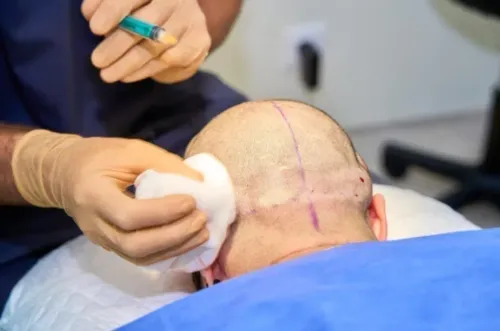
A complete session starts with informed consent, an autologous blood draw, and a clear account of what will happen. A hair transplant surgeon PRP treatment for inclusions should state the number of tubes drawn, the preparation system used, and the injection plan.
- Blood is collected into labelled tubes.
- The sample is processed in a centrifuge or separation system.
- The scalp is cleaned with an antiseptic.
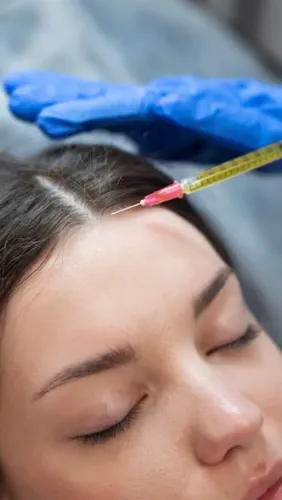
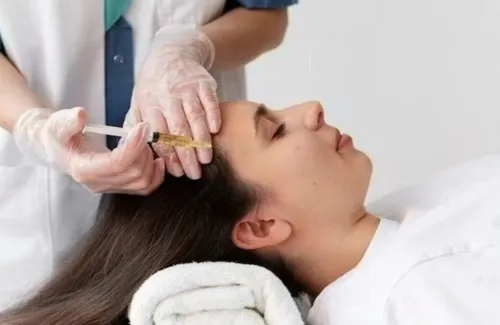
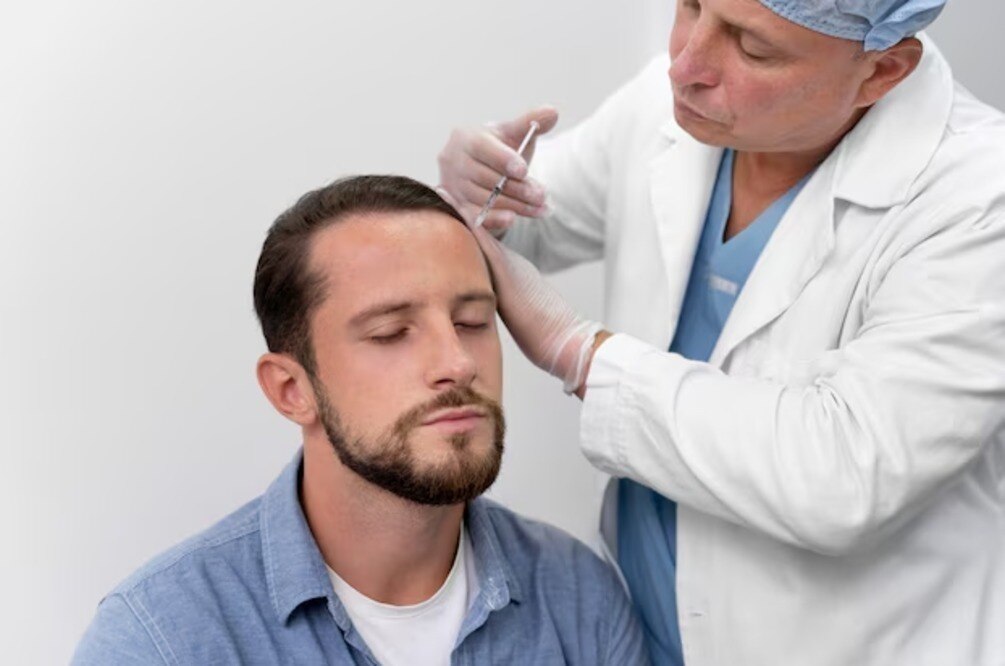
- The prepared product is injected at multiple points across the thinning area.
- The clinic explains whether topical or local anaesthetic is used; brief stinging, pressure, and tenderness remain possible.
- The record identifies the product, activation method, and whether the system is closed or open.
Do not accept “PRP” without identifying the injected fraction.
| Product | What it means | Why the distinction matters |
|---|---|---|
| Platelet-rich plasma | Liquid plasma containing concentrated platelets | Platelet concentration and leukocyte content vary by system |
| Platelet-rich fibrin | A fibrin-rich platelet preparation that forms a matrix | Fibrin structure can alter growth-factor release and handling |
| Other plasma fraction | A different separated blood component | It is not interchangeable with PRP or PRF |
Preparation affects platelet concentration, leukocyte content, and growth-factor release. A closed system limits handling and exposure; an open system involves more direct manipulation. Ask which one is used, whether the product is activated, and how many injections you will receive. These details should appear in writing before treatment, not emerge beside the procedure chair.
What should a complete PRP hair treatment plan promise and measure?
A credible PRP hair treatment plan should define what is being treated, what accompanies PRP, how many visits are proposed, and when success or failure will be judged. It must state whether PRP is used alone or alongside minoxidil, finasteride, or another established treatment.
- Many published regimens use about three initial sessions, spaced three to four weeks apart. This is a studied pattern, not a universal protocol.
- State the maintenance schedule, including whether later injections are advised and at what interval.
- Set a review point at which inadequate improvement means stopping, changing, or investigating treatment rather than selling more sessions.
- Explain that studies differ in platelet dose, activation method, injection depth, and outcome measures.
| Endpoint | What can be measured | What it cannot promise |
|---|---|---|
| Reduced shedding | Hair counts, patient reports, and examination over time | Permanent control of every cause of hair loss |
| Increased density or thickness | Standardised photographs, trichoscopy, or phototrichography | Guaranteed coverage of bald areas |
| PRP around a transplant | Proposed healing or follicle-survival support | The proven growth of transplanted grafts |
Record baseline photographs with consistent lighting, hair position, and magnification. PRP does not move donor follicles into a bald recipient area as a transplant does, so a surgeon must separate proposed transplant support from established transplant results. Judge progress against the baseline, not against changing hairstyles or lighting.
What should PRP treatment aftercare and follow-up include?
Written PRP treatment aftercare should tell you how to handle your scalp, when to wash it, and which activities to postpone. Follow the treating surgeon’s instructions if they differ, because no single aftercare protocol is globally standardized.
- Handle the scalp gently during the first day; do not touch, scratch, or massage injection sites unless instructed.
- Cleanse only as directed, using a mild shampoo and lukewarm water. Avoid vigorous scrubbing.
- Avoid strenuous exercise, swimming, saunas, hot tubs, and significant heat exposure for approximately 24 to 48 hours.
- Delay hair sprays, gels, oils, dyes, and other products for the period specified by the clinic.
- Use only approved pain relief. Ask before taking aspirin or anti-inflammatory medicines, since they can affect bleeding or platelet activity.
| Finding | Expected short-term effect | Action |
|---|---|---|
| Needle pain, tenderness, redness, swelling, pinpoint bleeding, or temporary headache | Usually settles as the scalp recovers | Follow aftercare instructions and contact the clinic if it persists or concerns you |
| Worsening pain or swelling, spreading redness or warmth, pus, or fever | Possible infection or significant inflammation | Seek prompt medical assessment |
| Marked bleeding | Bleeding requiring review | Contact the clinic promptly |
| New neurological or visual symptoms | Not routine aftercare effects | Obtain urgent medical assessment |
A planned review should include scalp examination and, where useful, consistent photographs, trichoscopy, or density measurements. Use that evidence to decide whether another session is justified rather than automatically booking a package.
Which PRP inclusions should you confirm before paying?
Do not pay for “PRP” as a single promise. The phrase is not a standardized commercial bundle, so use this hair transplant surgeon PRP treatment for inclusions checklist before comparing prices:
- Confirm that the fee covers consultation, diagnosis, blood draw, number of tubes, preparation, injections, scalp antisepsis, topical or local anaesthetic, baseline photographs, trichoscopy, prescribed medicines, follow-up visits, and maintenance sessions.
- Ask for the proposed product fraction, activation method, preparation system, session interval, and cancellation or rescheduling terms.
| Item to compare | What to ask | Why it matters |
|---|---|---|
| Product | Is it platelet-rich plasma, platelet-rich fibrin, or another fraction? Is it activated? | These products are not interchangeable. |
| Preparation | How many tubes are drawn, and is the system open or closed? | Platelet concentration, leukocyte content, and growth-factor release vary. |
| Evidence | What direct comparison supports a proprietary preparation’s claimed advantage? | A higher platelet count alone does not prove better results. |
| Plan | Is PRP used alone or with minoxidil or finasteride, and how will results be scored? | Studies combine treatments and use different scoring systems. |
At SMART LOOK CLINIC, use these questions during consultation to separate medical planning from package marketing. Ask whether the proposed PRP hair treatment plan includes about three initial sessions spaced three to four weeks apart, maintenance, and a defined point for judging failure; that schedule is commonly studied, not universal.
Obtain an itemized written plan and pay only after you understand what happens at each visit and how success will be judged.
Frequently asked questions
What should a PRP consultation establish before treatment?
It should establish the cause and pattern of hair loss through medical and family history, shedding timing, medication and lifestyle review, scalp examination and trichoscopy.
What physical steps belong in a PRP hair treatment session?
Confirm that the session includes blood collection, centrifuge processing, scalp preparation, local anaesthetic information when used, and PRP injections into the planned treatment areas.
What should a complete PRP hair treatment plan measure?
The plan should state the number and spacing of sessions, baseline photographs, treatment areas, progress measures and the point when results will be reviewed.
What should PRP treatment aftercare and follow-up include?
You should receive written instructions for washing, exercise, sun exposure, medicines, warning signs and follow-up timing, along with a contact route for concerns.