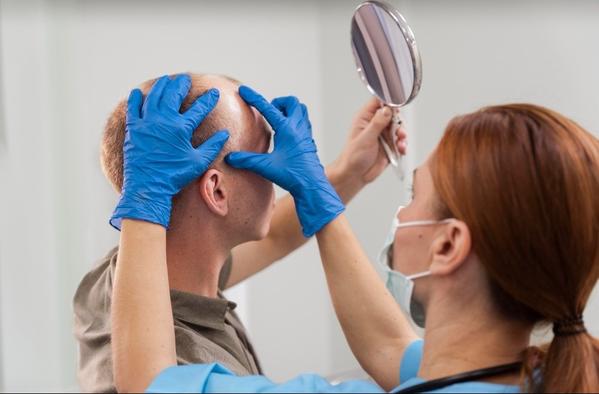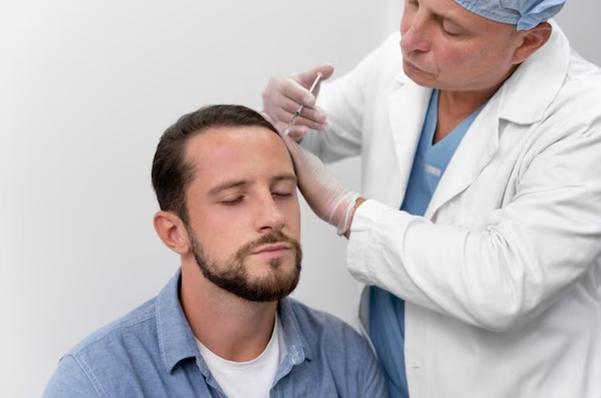
People researching hair restoration treatments often come across two commonly recommended options: FUE and FUT hair transplant procedures. While both methods aim to restore natural-looking hair growth, the techniques, recovery patterns, and suitability can differ significantly.
In Thane and surrounding parts of Maharashtra, awareness around modern hair transplant solutions has increased among working professionals, entrepreneurs, and younger individuals dealing with early-stage hair thinning. Yet many patients still remain uncertain about which method may be appropriate for them.
FUE, or Follicular Unit Extraction, involves removing individual hair follicles directly from the donor area. These follicles are then implanted into thinning or bald regions. Since the extraction is done one unit at a time, the procedure usually leaves very small dot-like marks that are less visible after healing.
FUT, or Follicular Unit Transplantation, works differently. In this method, a strip of scalp tissue is removed from the donor region, and hair grafts are separated from that strip for transplantation. FUT can sometimes provide a larger number of grafts in a single session.
Patients often compare these procedures based on visible scarring and recovery time, but there are several other factors worth considering.
FUE Hair Transplant May Be Suitable For:
- People who prefer shorter hairstyles
- Individuals seeking minimal visible scarring
- Patients requiring smaller or moderate graft sessions
- Those looking for quicker external healing
FUT Hair Transplant May Be Considered For:
- Advanced hair loss cases
- Patients needing higher graft counts
- Individuals with strong donor hair density
- Situations where preserving donor follicles is important
One misconception is that one method is universally better than the other. In reality, treatment planning depends on scalp condition, hair texture, age, future hair loss progression, and donor area strength.
Another important discussion involves downtime. People with physically demanding schedules in Thane often ask how soon they can resume work. Most patients can return to routine activities within a few days after FUE, although complete healing still requires proper care. FUT recovery may take slightly longer because of the linear incision involved.
Cost differences also influence decision-making. FUT procedures are sometimes comparatively cost-effective when larger graft volumes are needed. However, the overall value depends more on surgical planning and natural results rather than procedure type alone.
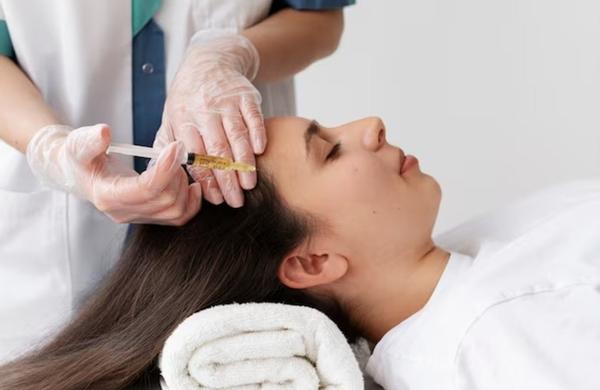
Some clinics also combine transplantation with supportive therapies such as PRP hair treatment to improve scalp health and support surrounding hair follicles. This integrated approach is becoming increasingly common in modern hair restoration programs.
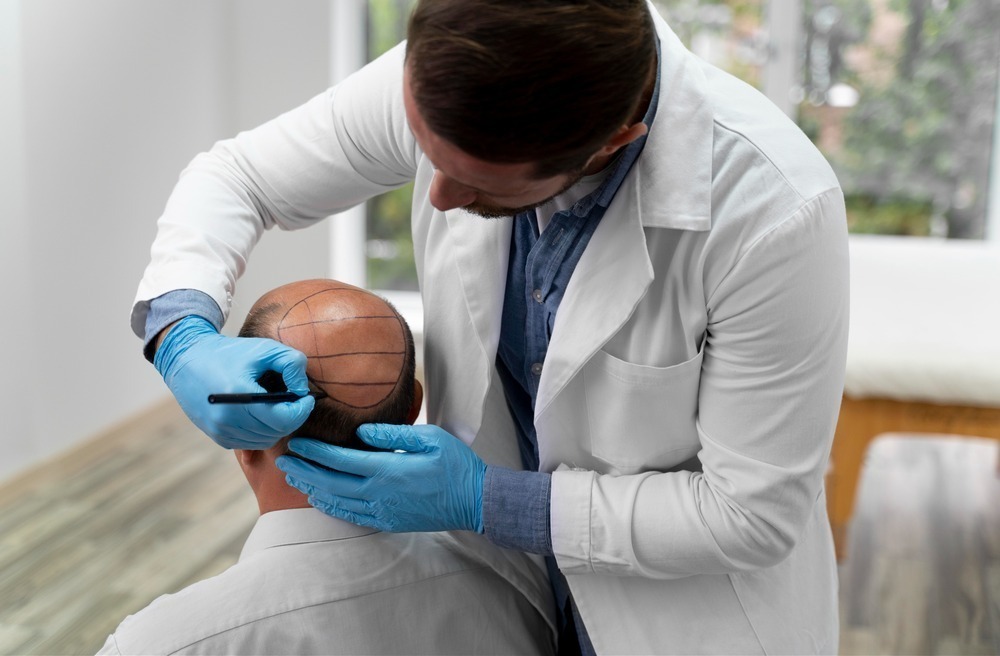
SMART LOOK CLINIC is among the providers in the region that evaluates donor capacity, hairline design, and long-term hair retention before recommending a specific approach. Such evaluations are important because aggressive transplantation without planning can affect future correction possibilities.
Patients considering either procedure should avoid making decisions solely based on social media trends or celebrity comparisons. Hair density, scalp elasticity, and hair growth patterns vary widely from person to person.
A successful transplant is not only about adding hair. It is about achieving balanced density, natural direction, and long-term sustainability while preserving donor resources carefully.