Hair transplantation has become more accessible over the last decade, but accessibility has also increased misinformation. Many patients begin researching procedures after seeing dramatic social media results without understanding the planning involved behind successful outcomes.
In growing urban areas like Thane, clinics frequently meet patients who delayed treatment too long, selected unsuitable procedures, or developed unrealistic expectations because of misleading information online.
One of the biggest mistakes is choosing a clinic solely based on low pricing. Hair transplantation is a medical procedure that depends heavily on precision, donor management, and long-term planning. Extremely low-cost packages may compromise graft handling, hygiene standards, or surgeon involvement.
Another common issue is ignoring donor area limitations. Many people assume donor hair is unlimited. In reality, the donor region contains a finite number of usable follicles. Poor extraction planning can permanently weaken the back of the scalp and affect future procedures.
Patients also often underestimate the importance of timing. Some individuals pursue transplantation very early without stabilizing active hair loss. Others wait until baldness becomes extensive, reducing donor availability.
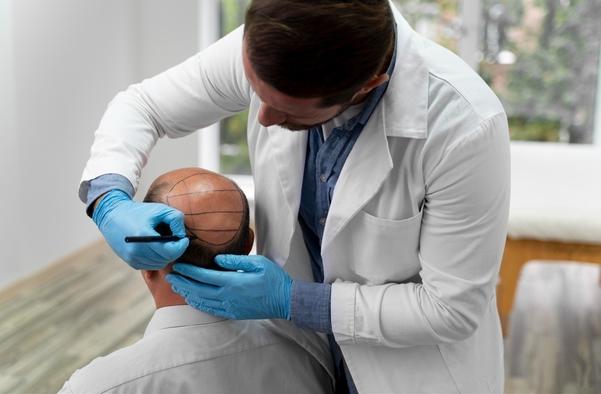
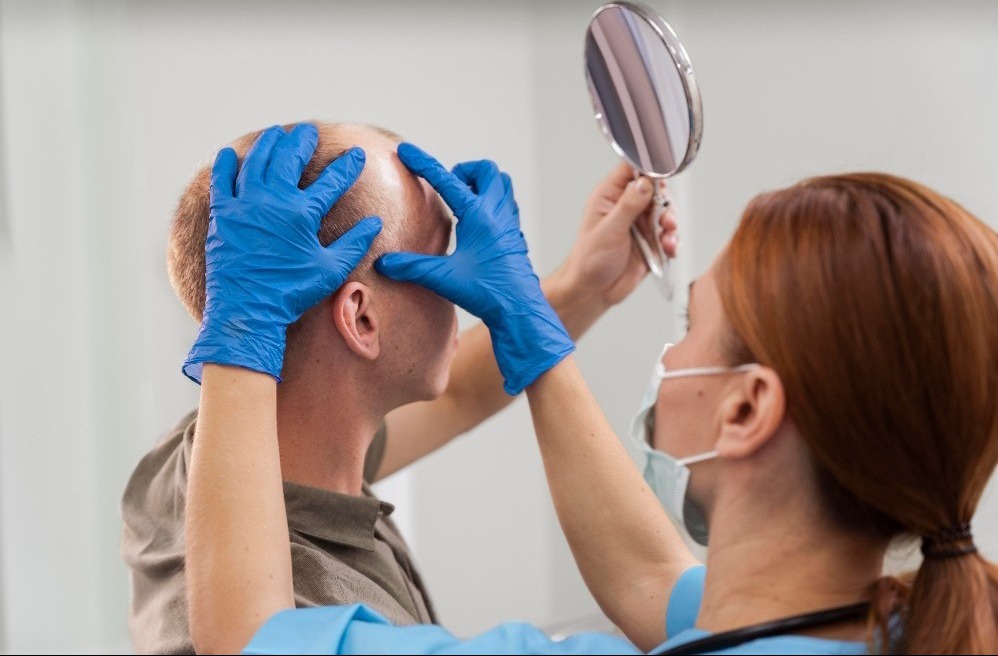
A proper assessment usually considers:
- Age and future hair loss pattern
- Family history
- Scalp elasticity
- Existing hair density
- Donor strength
- Medical conditions
Another mistake involves expecting instant density. Transplanted follicles require time to settle and grow naturally. Initial shedding after surgery is common and should not immediately cause panic.
People working in Maharashtra’s humid climate sometimes neglect post-procedure scalp care. Sweating, dust exposure, and excessive touching of the scalp during recovery may affect healing.
Many patients also fail to ask who actually performs the surgery. In some setups, technicians handle major portions of the process with minimal doctor supervision. Understanding the surgical team’s involvement is an important part of selecting a provider.
Lifestyle habits also play a major role in recovery. Smoking, excessive alcohol consumption, irregular sleep, and poor nutrition can negatively impact graft survival and overall scalp health.
Another growing trend is blindly copying celebrity hairlines. Hairline design must match facial structure, age, ethnicity, and future hair loss progression. Overly aggressive low hairlines may look unnatural over time and consume unnecessary grafts.
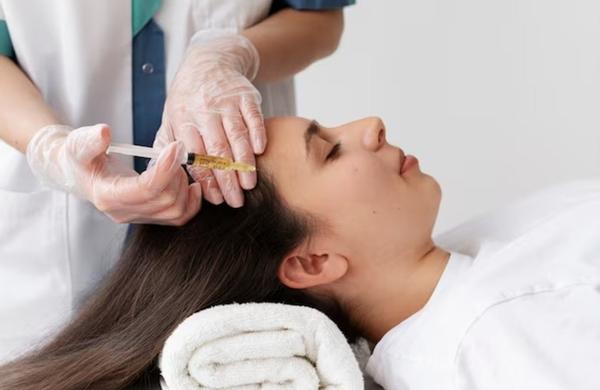
PRP hair treatment is also sometimes misunderstood. Patients may assume PRP alone can restore completely bald areas, while others dismiss it entirely despite being suitable candidates for supportive scalp strengthening.
At SMART LOOK CLINIC, consultations generally include discussions around realistic density, recovery timelines, and long-term maintenance because hair restoration outcomes depend on multiple interconnected factors rather than a single procedure.
Before committing to treatment, patients should take time to review:
- Real patient outcomes
- Scalp evaluation process
- Hygiene standards
- Follow-up support
- Surgeon experience
- Long-term treatment planning
Hair restoration should be approached as a gradual medical and cosmetic journey, not a rushed cosmetic purchase. Informed decision-making often reduces dissatisfaction and helps patients achieve more natural, sustainable results.