Choosing between FUE and FUT hair transplant procedures can be confusing for individuals experiencing hair loss. Both techniques are designed to restore lost hair by transferring healthy follicles to thinning or bald areas, but their methods, recovery processes, and suitability can vary depending on individual needs.
For people in Thane and surrounding Maharashtra regions, understanding the difference between these procedures can help in making an informed decision during a hair restoration consultation.
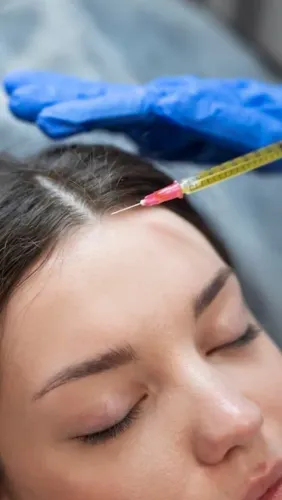
Follicular Unit Extraction, commonly known as FUE, is a technique where individual hair follicles are carefully extracted from the donor area and implanted into areas requiring additional density. Since follicles are removed separately, the procedure does not involve a linear incision, making it a preferred option for many patients who prefer minimal visible scarring.
FUE may be suitable for individuals who:
- Prefer shorter hairstyles
- Require targeted restoration
- Have sufficient donor hair availability
- Want a minimally invasive approach
Follicular Unit Transplantation, or FUT, involves removing a thin strip of scalp tissue from the donor region. The strip is carefully processed to separate individual follicular units, which are then implanted into areas affected by hair loss.
FUT can be considered for individuals who:
- Require a larger number of grafts
- Have advanced hair loss patterns
- Need maximum utilisation of donor hair
- Have suitable scalp characteristics
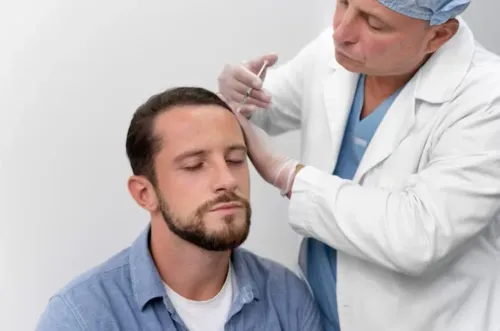
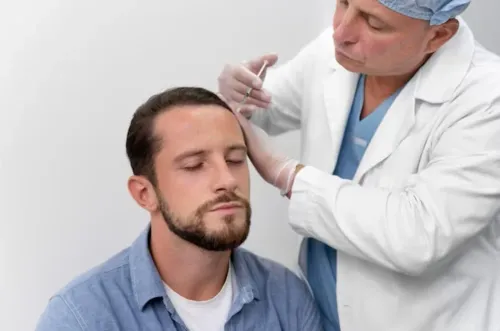
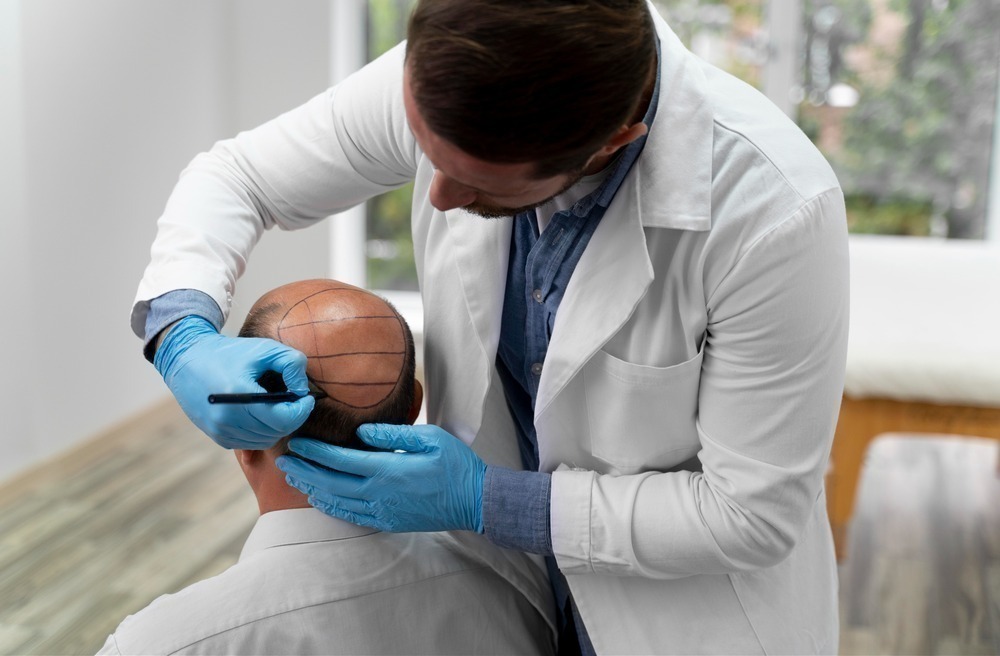
The decision between FUE and FUT should not be based only on popularity. A qualified FUE and FUT hair transplant surgeon evaluates the patient's scalp condition, hair characteristics, lifestyle, and long-term expectations before recommending the most appropriate option.
Several factors influence treatment planning, including:
Hair loss pattern
Different types of baldness require different approaches. A surgeon studies the existing hairline and future hair loss possibilities to create a balanced restoration plan.
Donor area strength
Healthy donor follicles play an important role in achieving natural-looking results. The quality and density of available hair influence the number of grafts that can be safely used.
Desired appearance
A natural hairline design requires careful planning. Hair direction, angle, and density are considered to create results that blend with existing hair.
Recovery expectations
Every procedure has its own recovery timeline. Patients should understand post-treatment care requirements before choosing a technique.
Smart Look Clinic provides consultation-based hair restoration solutions where patients can discuss their concerns and understand available treatment options. The focus is on creating personalised plans based on individual hair loss conditions.
Residents searching for an FUE and FUT hair transplant surgeon in Thane should also consider experience, treatment transparency, patient education, and follow-up support. A good consultation helps remove confusion and allows patients to understand what the procedure can realistically achieve.
Hair transplantation is a gradual process, and visible improvement develops over several months as transplanted follicles enter natural growth phases. Proper aftercare and regular monitoring contribute to maintaining healthy results.
Selecting the right technique is an important part of the hair restoration journey. With proper evaluation and professional guidance, individuals can choose an approach that aligns with their hair goals, lifestyle, and expectations.