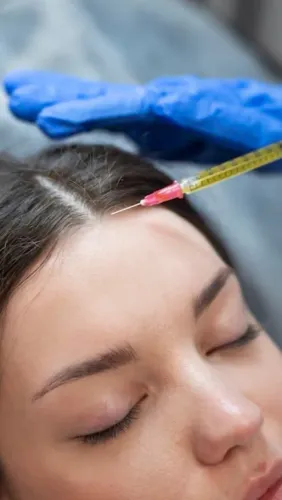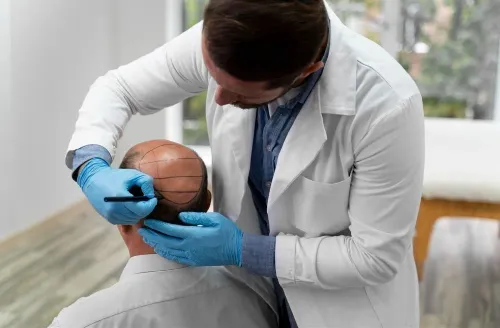

Hair transplant procedures have become increasingly common across Maharashtra, but many patients still misunderstand what recovery actually involves. One of the biggest reasons for unnecessary anxiety after surgery is unrealistic expectations regarding healing and hair growth speed.
Understanding the normal recovery timeline helps patients approach the process more confidently.
The First Few Days After Surgery
Immediately after a hair transplant, mild redness, swelling, and tiny scabs are generally expected.
During this phase, patients are usually advised to:
- Avoid touching the grafts
- Follow gentle washing instructions
- Sleep carefully
- Limit strenuous activity
Most people can return to light routine activities within a few days depending on individual healing.
Why Scabbing Happens
Tiny scabs form around implanted grafts as part of natural healing.
Patients sometimes become worried seeing crust formation, but this stage is usually temporary.
Proper washing guidance from the clinic helps:
- Prevent excessive buildup
- Support scalp hygiene
- Reduce irritation
Forcefully removing scabs too early can affect healing quality.
Temporary Hair Shedding Is Normal
One of the most misunderstood stages occurs during the first month when transplanted hair often sheds temporarily.
This phase is commonly called “shock loss.”
Patients may feel concerned because the newly implanted hairs begin falling out, but the follicles generally remain underneath the scalp and gradually restart growth later.
Visible Hair Growth Takes Time
Hair restoration is a gradual process rather than an instant cosmetic transformation.
Typical growth progression may involve:
- Early regrowth after 3–4 months
- Noticeable density improvement between 6–8 months
- Continued maturation up to 12 months or longer
- Growth speed varies between individuals.
Lifestyle Habits Can Affect Recovery
Recovery quality may also depend on:
- Smoking habits
- Nutrition
- Sleep quality
- Stress levels
- Scalp hygiene
Patients with healthier recovery habits often experience smoother healing.
Why Follow-Up Appointments Matter
Post-procedure reviews help monitor:
- Graft survival
- Scalp recovery
- Hair growth progression
- Any signs of irritation or infection
Clinics that provide structured aftercare guidance often help patients feel more reassured throughout the process.
Emotional Expectations Need Management
Some patients expect dramatic density within weeks because of social media transformations and heavily edited marketing images.
In reality, natural-looking outcomes usually develop gradually and improve progressively over time.
Responsible clinics generally explain:
- Recovery stages
- Growth timelines
- Density expectations
- Long-term maintenance
This transparency often improves patient satisfaction.
Choosing Clinics That Focus on Long-Term Outcomes
Hair transplantation is not only about the surgery day itself. Recovery support and long-term planning also influence overall experience.
SMART LOOK CLINIC is among the providers many individuals in Navi Mumbai explore while researching medically supervised hair transplant procedures and structured recovery guidance. Patients increasingly prefer clinics that educate them about realistic timelines and personalized aftercare rather than promoting instant-result expectations.
Understanding the recovery journey beforehand often helps patients remain patient, informed, and more confident throughout the healing process.