
Hair loss is rarely the same for every individual. Some people experience mild thinning that develops gradually, while others notice significant bald patches or a receding hairline over a relatively short period. As awareness about modern hair restoration grows, two treatment options are frequently compared: PRP Hair Treatment and hair transplantation. Although both aim to improve hair appearance, they work in very different ways and are suitable for different stages of hair loss.
If you are exploring hair restoration options in Nashik, understanding the differences between these treatments can help you choose the most appropriate solution for your condition and expectations.
Understanding PRP Hair Treatment
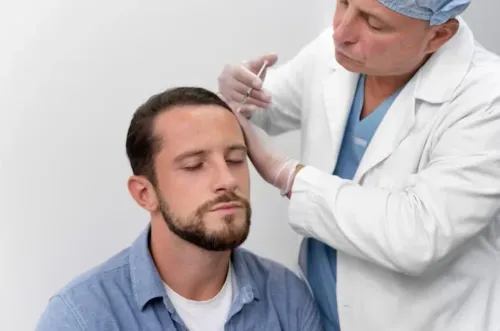
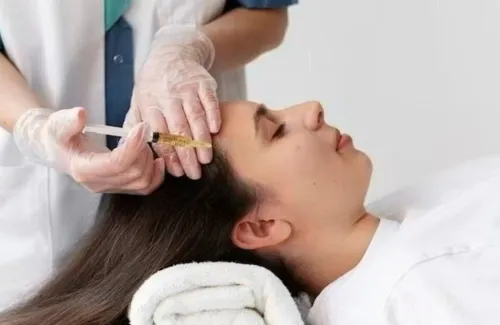
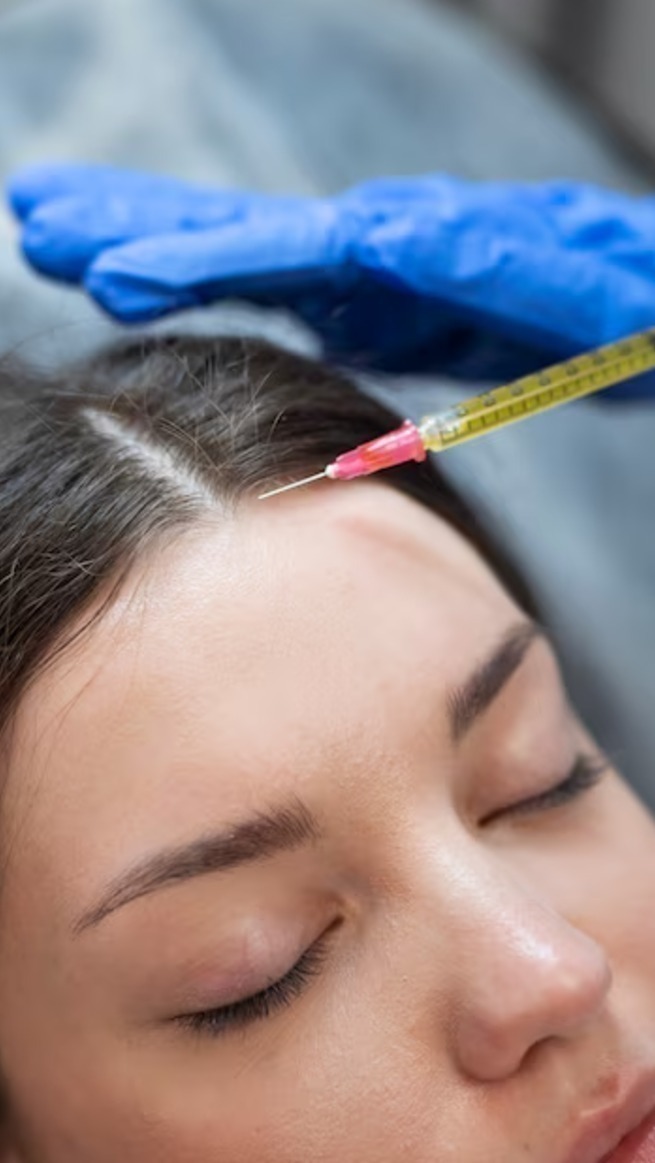
Platelet-Rich Plasma (PRP) Hair Treatment is a non-surgical procedure that uses the patient's own blood to obtain a concentrated plasma rich in growth factors. This platelet-rich plasma is then injected into targeted areas of the scalp.
The treatment is designed to support existing hair follicles by improving the scalp environment and encouraging healthier hair growth. Since PRP uses the body's natural healing components, it has become a popular option for people looking for minimally invasive treatment.
PRP does not create new hair follicles. Instead, it focuses on strengthening follicles that are still active but producing weaker or thinner hair.
Understanding Hair Transplant Surgery
A hair transplant is a surgical procedure that permanently relocates healthy hair follicles from the donor area to regions where hair has become thin or completely absent.
Common techniques include:
- Follicular Unit Extraction (FUE)
- Follicular Unit Transplantation (FUT)
Unlike PRP, hair transplantation introduces healthy follicles into bald areas, making it an effective solution for permanent pattern baldness when donor hair is available.
Comparing PRP and Hair Transplant
Although both treatments target hair restoration, they serve different purposes.
PRP Hair Treatment
Best suited for:
- Early-stage hair thinning
- Mild to moderate hair loss
- Weak existing hair follicles
- Diffuse hair shedding
- Supporting scalp health
Treatment characteristics:
- Non-surgical
- Minimal downtime
- Multiple sessions required
- No stitches or incisions
Hair Transplant
Best suited for:
- Established bald patches
- Receding hairline
- Advanced male or female pattern baldness
- Areas where follicles no longer produce hair
Treatment characteristics:
- Surgical procedure
- Permanent follicle relocation
- One or more sessions depending on graft requirement
- Gradual long-term hair growth
When PRP May Be the Better Choice
Many patients visit a clinic before significant baldness develops. In these cases, PRP may help preserve existing hair and improve overall density.
PRP is often considered when:
- Hair loss has recently started.
- Hair follicles remain active.
- Patients want to delay surgical treatment.
- Hair shedding has increased due to stress or lifestyle changes.
- Hair appears thinner but the scalp is not completely bald.
A specialist evaluates whether the follicles are healthy enough to respond to this treatment.
When a Hair Transplant May Be More Appropriate
Hair transplantation becomes a stronger option when follicles in affected areas have stopped producing healthy hair.
You may be advised to consider surgery if:
- The hairline has significantly receded.
- Bald patches continue expanding.
- Previous non-surgical treatments have produced limited improvement.
- The donor area has sufficient healthy hair.
- You want long-term restoration of bald areas.
Since transplanted follicles continue growing naturally, they provide a permanent solution for suitable candidates.
Can PRP and Hair Transplant Be Combined?
Yes. In fact, many specialists recommend combining both treatments for selected patients.
PRP may be used:
- Before surgery to improve scalp condition
- After transplantation to support healing
- Alongside existing hair to strengthen surrounding follicles
- During long-term maintenance after transplant
This combined approach addresses both transplanted hair and existing natural hair, creating a more balanced overall result.
Factors That Influence Treatment Selection
Choosing between PRP and hair transplantation depends on several factors, including:
- Cause of hair loss
- Severity of thinning
- Donor hair availability
- Age
- Medical history
- Lifestyle
- Long-term expectations
A thorough scalp examination helps determine which option is likely to provide the greatest benefit.
Why Personalized Assessment Matters
No two patients experience hair loss in exactly the same way. A treatment that works well for one person may not be appropriate for another.
SMART LOOK CLINIC in Nashik follows a personalized approach by carefully evaluating the pattern of hair loss, scalp health, donor area quality, and future progression before recommending treatment. Depending on the findings, patients may be advised to undergo PRP Hair Treatment, FUE, FUT, or a combination of therapies designed to achieve natural and sustainable results.
Final Thoughts
PRP Hair Treatment and hair transplantation are both valuable hair restoration options, but they are intended for different stages of hair loss. PRP focuses on preserving and strengthening existing hair, while transplantation restores hair to areas where follicles are no longer active.
If you are experiencing hair thinning, a receding hairline, or bald patches in Nashik, consulting an experienced specialist can help identify the most suitable treatment based on your individual condition. Choosing the right solution at the right time can significantly improve both the appearance and long-term health of your hair.