
Not everyone experiencing hair loss requires immediate hair transplant surgery. In fact, some patients benefit more from medical management, PRP sessions, or lifestyle changes before considering surgical restoration.
For individuals in Nashik exploring hair restoration options, understanding candidacy factors can prevent unrealistic expectations and unnecessary procedures.
One of the first considerations is the stage of hair loss. Patients with stable baldness patterns and sufficient donor hair usually respond better to transplantation than individuals with rapidly progressing shedding.
Age also matters, though not in the way many assume. Younger patients in their early twenties sometimes rush toward surgery before their hair loss pattern stabilizes. Experienced clinics often recommend cautious planning because future thinning can continue around transplanted areas.
Good candidates for FUE or FUT hair transplant procedures generally have:
- Healthy donor hair density
- Stable scalp condition
- Realistic expectations
- No uncontrolled medical disorders
- Sufficient donor area availability
Patients with severe scalp disorders, active infections, or certain autoimmune conditions may require additional evaluation before proceeding.
Another important factor is understanding the difference between density improvement and complete restoration. Hair transplantation redistributes existing follicles rather than creating entirely new hair. The donor area remains a limiting factor in every case.
People often compare themselves to celebrity transformations online without realizing that outcomes depend on:
- Hair texture
- Curl pattern
- Scalp contrast
- Donor quality
- Baldness severity
- Number of grafts
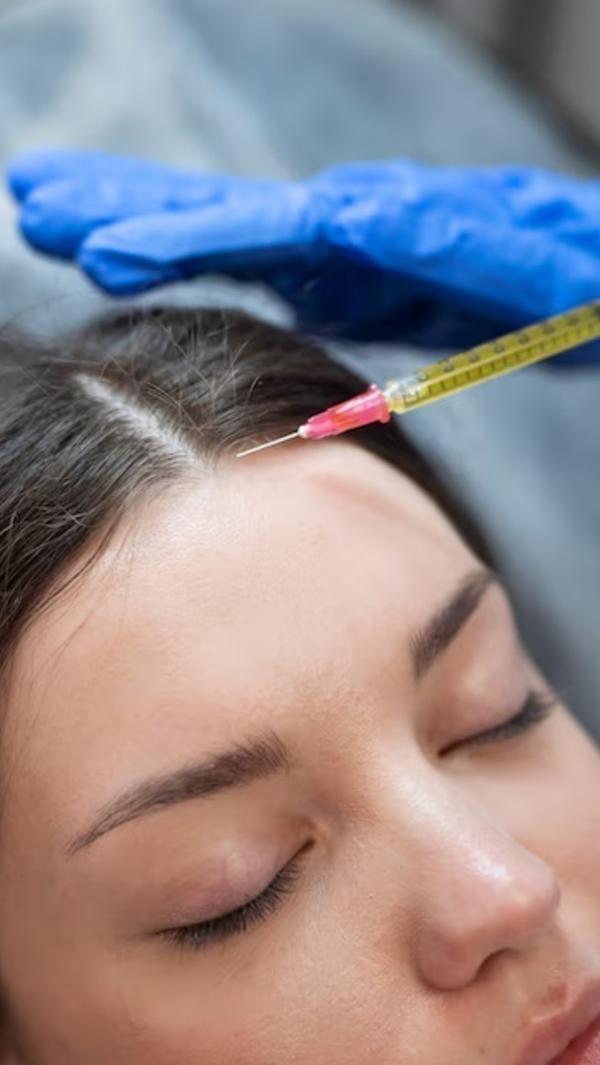
PRP hair treatment is sometimes recommended for patients who are not ideal transplant candidates yet. Individuals with early-stage thinning may benefit from non-surgical management before surgery becomes necessary.
Lifestyle habits can influence candidacy as well. Heavy smoking, poor sleep patterns, unmanaged stress, and nutritional deficiencies can impact healing and hair health overall.
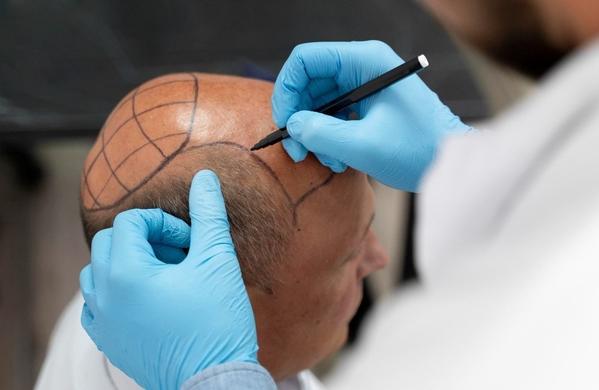
During evaluation, many reputable clinics perform scalp mapping and donor analysis before suggesting procedures. A rushed consultation that guarantees unrealistic density without proper assessment should raise concerns.
Questions patients should ask include:
- How many grafts are realistically possible?
- Will future sessions be required?
- Is my donor area strong enough?
- What kind of recovery timeline should I expect?
- Will medications still be needed after surgery?
Patients in Maharashtra increasingly seek personalized treatment planning instead of standardized packages. This shift has encouraged more clinics to focus on long-term outcomes rather than short-term marketing.
Smart Look Clinic is among the centres patients often consider while evaluating candidacy for hair restoration treatments in Nashik. Many individuals prefer consulting providers that explain limitations honestly rather than promising unrealistic transformations.
The best hair transplant outcomes usually begin with proper patient selection and medically sound planning rather than impulse decisions driven by online trends.