
Choosing to undergo a hair transplant is a significant decision, but selecting the right procedure can feel equally challenging. Two of the most commonly recommended techniques are Follicular Unit Extraction (FUE) and Follicular Unit Transplantation (FUT). Both are established methods for treating hair loss, and both can produce natural-looking, permanent results when performed by an experienced FUE and FUT Hair Transplant Surgeon.
If you're researching hair restoration options in Nashik, understanding how these procedures differ can help you determine which one aligns with your hair loss pattern, lifestyle, recovery expectations, and long-term goals.
What Do FUE and FUT Have in Common?
Although the harvesting techniques differ, both procedures share the same objective: relocating healthy hair follicles from the donor area, typically the back or sides of the scalp, to regions where hair has thinned or disappeared.
In both methods:
- The transplanted follicles continue to grow naturally.
- Results develop gradually over several months.
- Hair can usually be cut, washed, and styled like natural hair.
- The outcome largely depends on proper planning and surgical expertise.
Because the transplanted follicles are resistant to pattern baldness, they often continue growing for many years.
Understanding FUE
During an FUE procedure, individual follicular units are extracted directly from the donor area using specialized instruments. Each graft is then implanted into carefully prepared recipient sites.
Many patients choose FUE because it offers:
- Tiny extraction sites instead of a linear scar
- Minimal visible scarring
- Faster healing for many individuals
- Greater flexibility for shorter hairstyles
- Less discomfort in the donor area
FUE is particularly popular among younger individuals and those with mild to moderate hair loss.
Understanding FUT
FUT involves removing a narrow strip of scalp from the donor area. The strip is then carefully dissected into individual follicular grafts before implantation.
Potential advantages include:
- Efficient harvesting of a large number of grafts
- High-quality follicular preservation
- Suitable for extensive baldness
- Often effective when maximum graft yield is required
The procedure leaves a fine linear scar that is generally concealed beneath surrounding hair.
Comparing Important Factors
Scarring
FUE creates numerous tiny scars that are often difficult to notice after healing.
FUT leaves a single linear scar that may remain hidden under longer hair.
Recovery
Most patients experience a relatively comfortable recovery with either technique.
FUE may allow slightly quicker healing of the donor area, while FUT may require additional time because of the surgical closure.
Number of Grafts
For larger transplant sessions, FUT may sometimes provide more grafts during a single procedure.
FUE also allows substantial graft collection but may require longer operating times depending on the number of follicles needed.
Hairstyle Preferences
Patients who prefer very short hairstyles often choose FUE because it does not produce a long donor scar.
Those who typically maintain medium or longer hair may find either option suitable.
Which Procedure Is Better for Different Hair Loss Stages?
The answer depends on individual circumstances rather than a universal recommendation.
FUE may be appropriate for:
- Early hair loss
- Smaller treatment areas
- Beard or eyebrow restoration
- Individuals wanting minimal visible scarring
FUT may be considered for:
- Advanced baldness
- Larger coverage requirements
- Patients with good scalp flexibility
- Situations requiring maximum graft harvesting
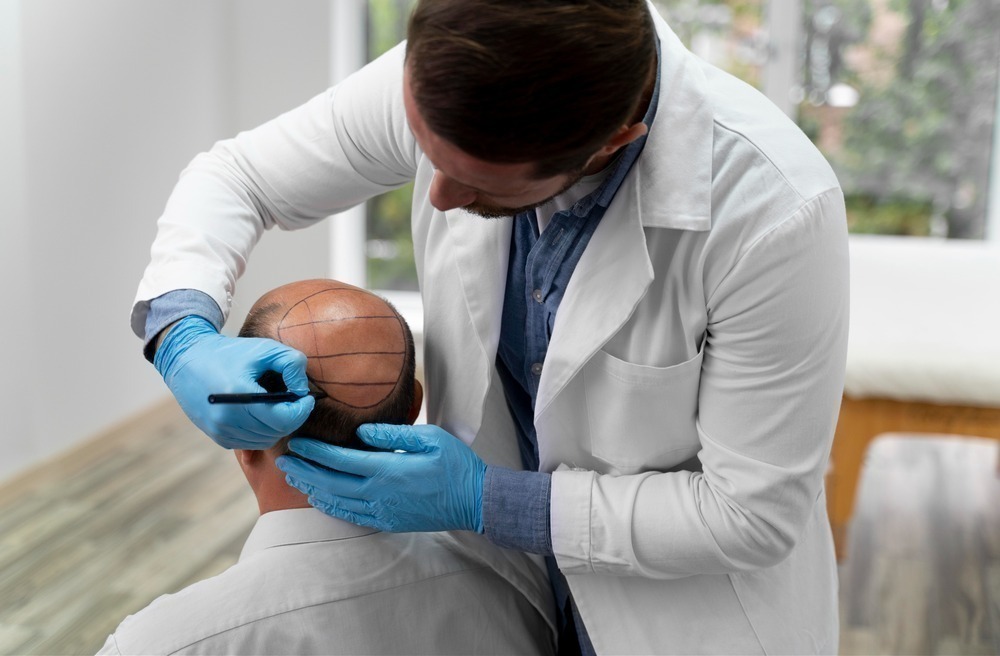
An experienced surgeon evaluates these factors before recommending a treatment plan.
Why Surgeon Experience Is More Important Than Technique
Many patients spend considerable time comparing FUE and FUT while overlooking the most critical factor: the surgeon's expertise.
A qualified hair transplant surgeon carefully plans:
- Hairline shape
- Follicle placement
- Hair direction
- Density distribution
- Future hair loss progression
- Donor area management
Even the most advanced technique cannot compensate for poor surgical planning or improper graft handling.
Questions to Ask During Your Consultation
Before proceeding, consider asking:
- Which procedure is more suitable for my hair loss pattern?
- How many grafts will I need?
- Will I require more than one session?
- What can I realistically expect after one year?
- How should I prepare before surgery?
- What is the recovery timeline?
- Will additional treatments such as PRP be beneficial?
Clear answers help you understand the treatment process and establish realistic expectations.
Finding the Right Hair Restoration Provider in Nashik
Choosing a clinic that offers both FUE and FUT allows treatment decisions to be based on medical suitability rather than a limited service offering. SMART LOOK CLINIC evaluates each patient's scalp condition, donor area, hair density, and future hair loss before recommending an individualized treatment approach. This comprehensive assessment helps patients understand why one technique may be more appropriate than another for their specific needs.
Final Thoughts
FUE and FUT are both effective hair restoration techniques with proven long-term results. The best choice depends on your hair loss stage, donor availability, desired hairstyle, and overall treatment goals.
Rather than focusing solely on the name of the procedure, prioritize choosing an experienced FUE and FUT Hair Transplant Surgeon who can recommend the most suitable approach based on a thorough evaluation. For individuals in Nashik, a personalized consultation is the first step toward achieving natural-looking and lasting hair restoration.